
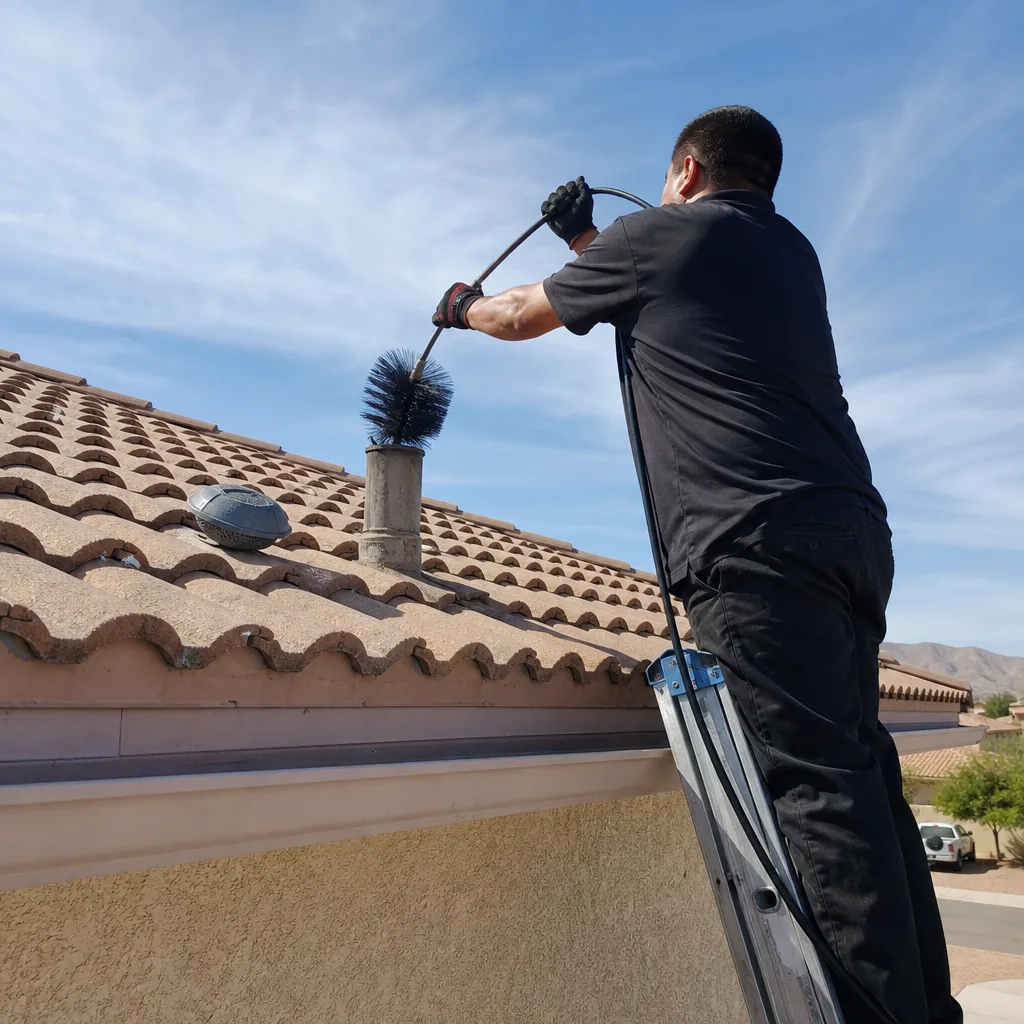
Last updated November 2, 2026
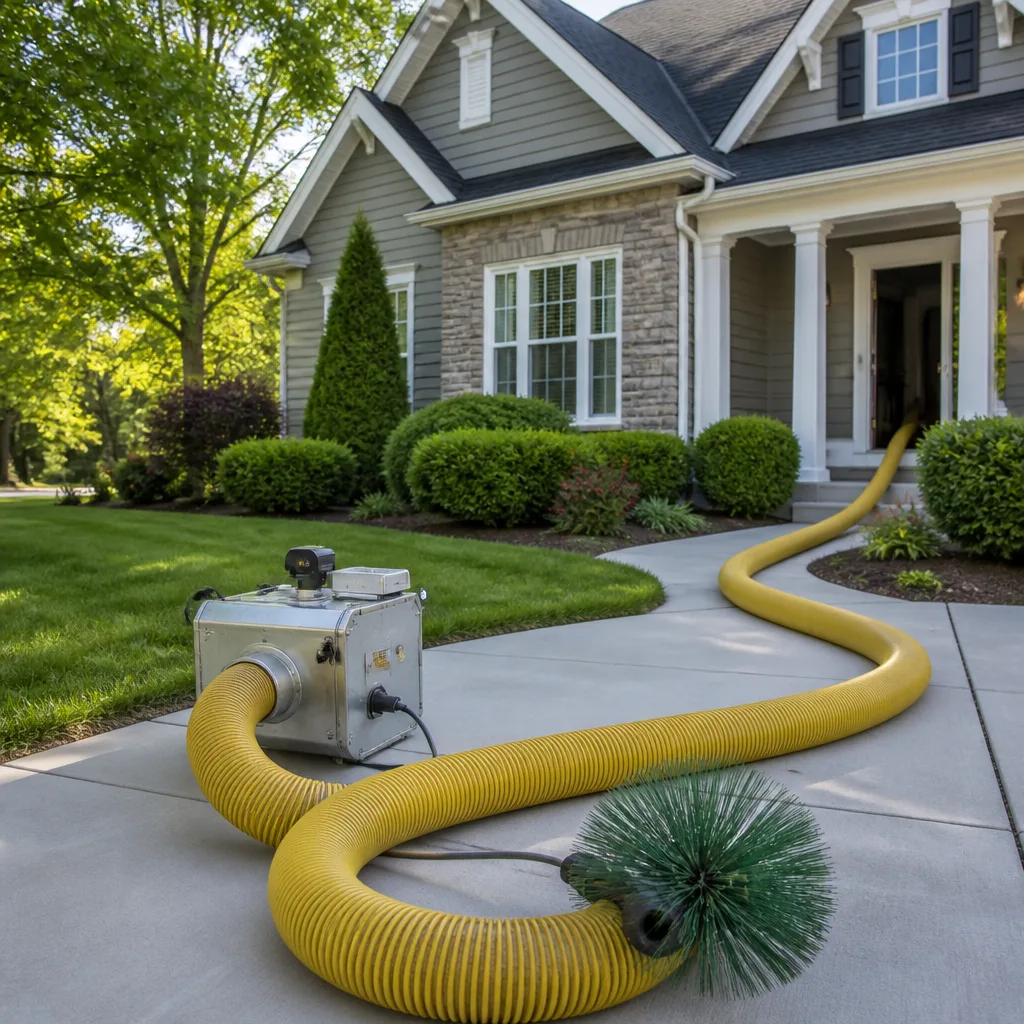 Whole-home duct cleaning
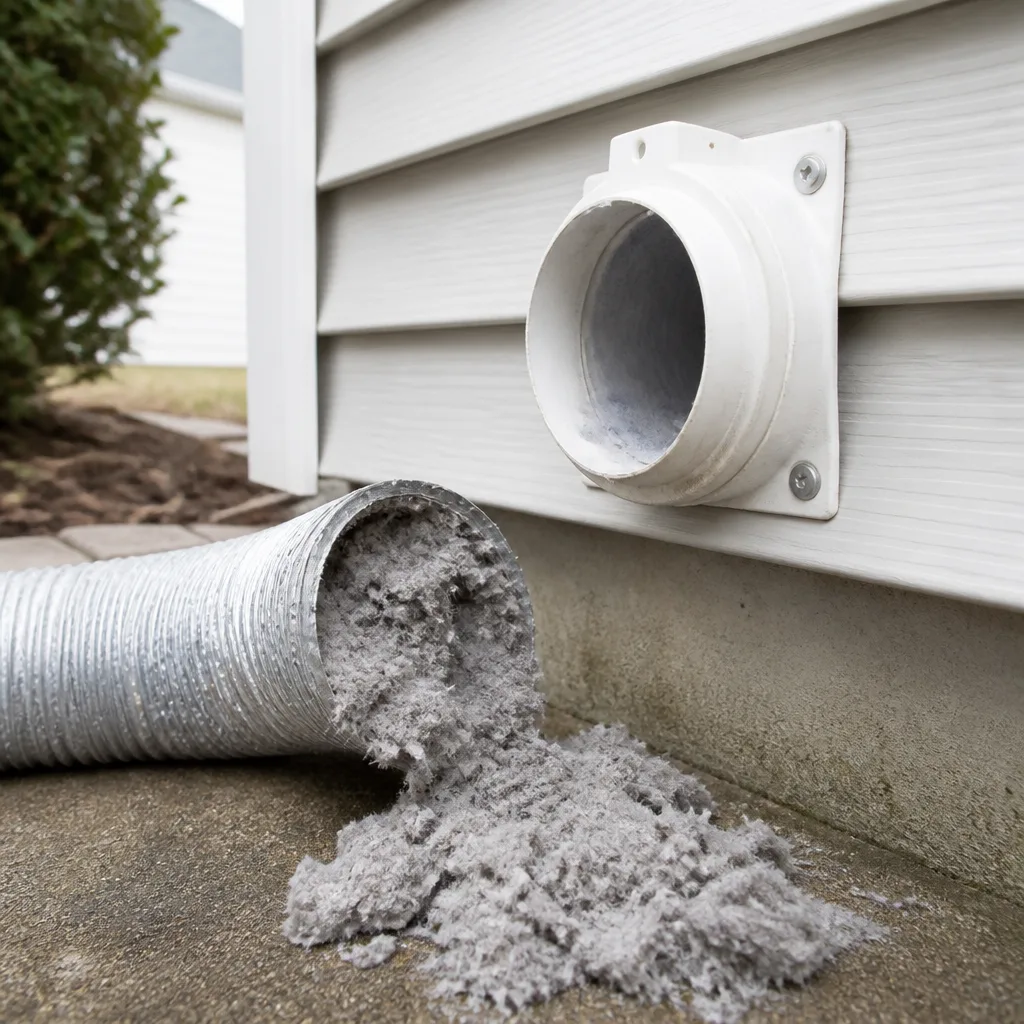 Dryer vent cleaning
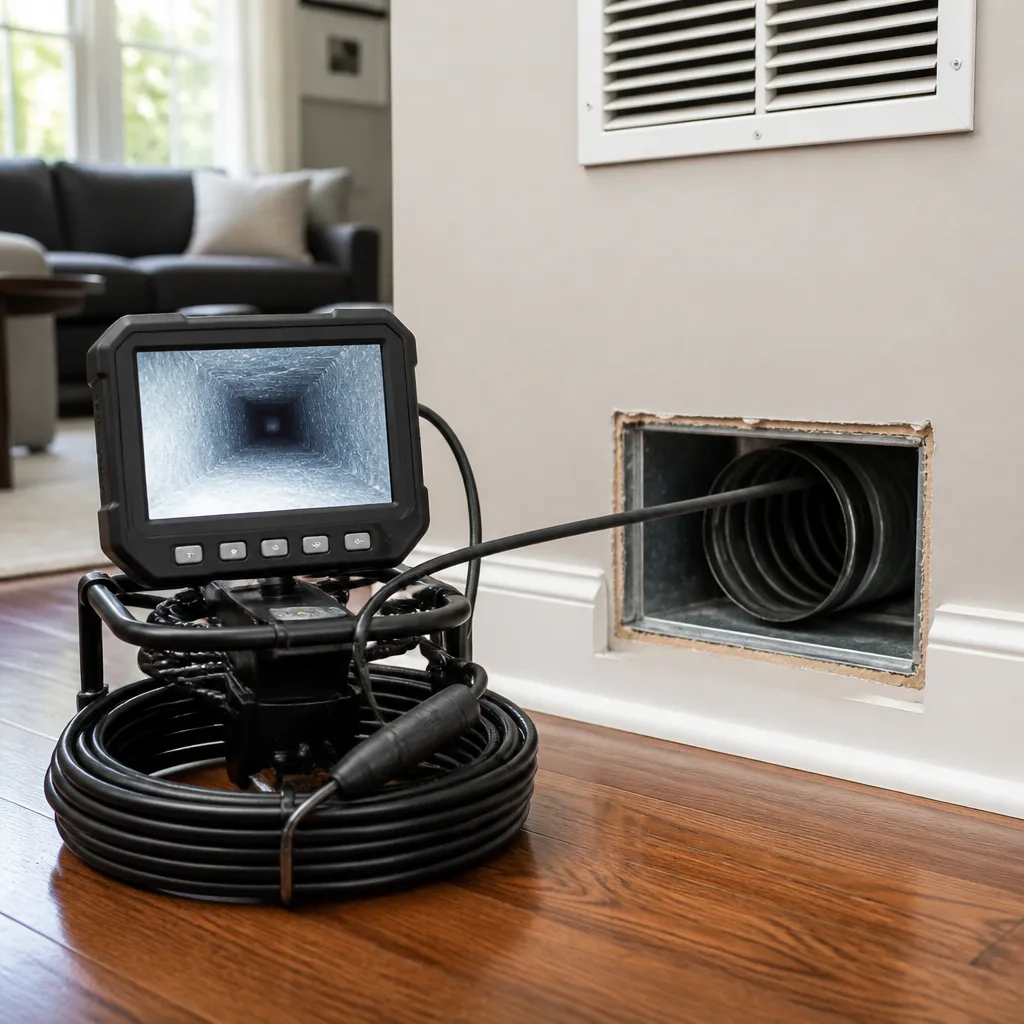 Camera inspection
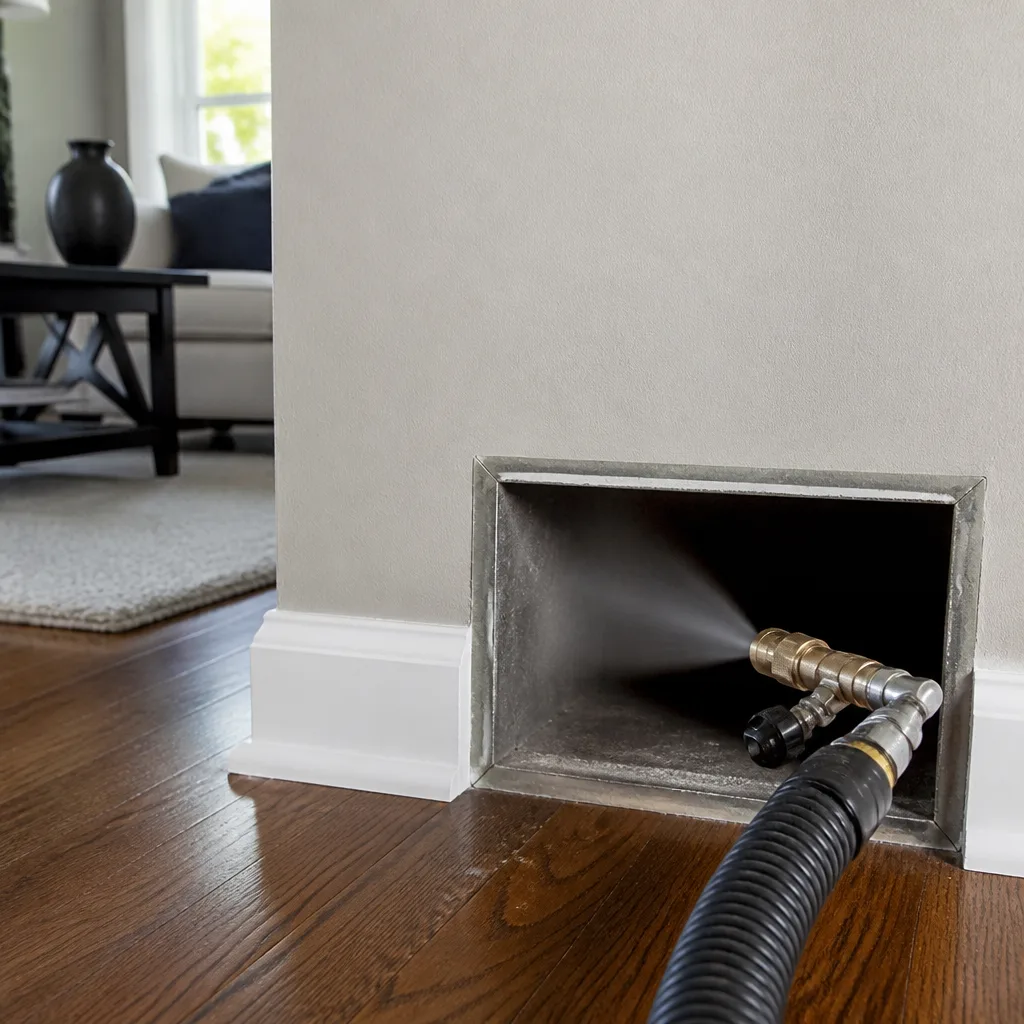 Sanitizing & deodorizing
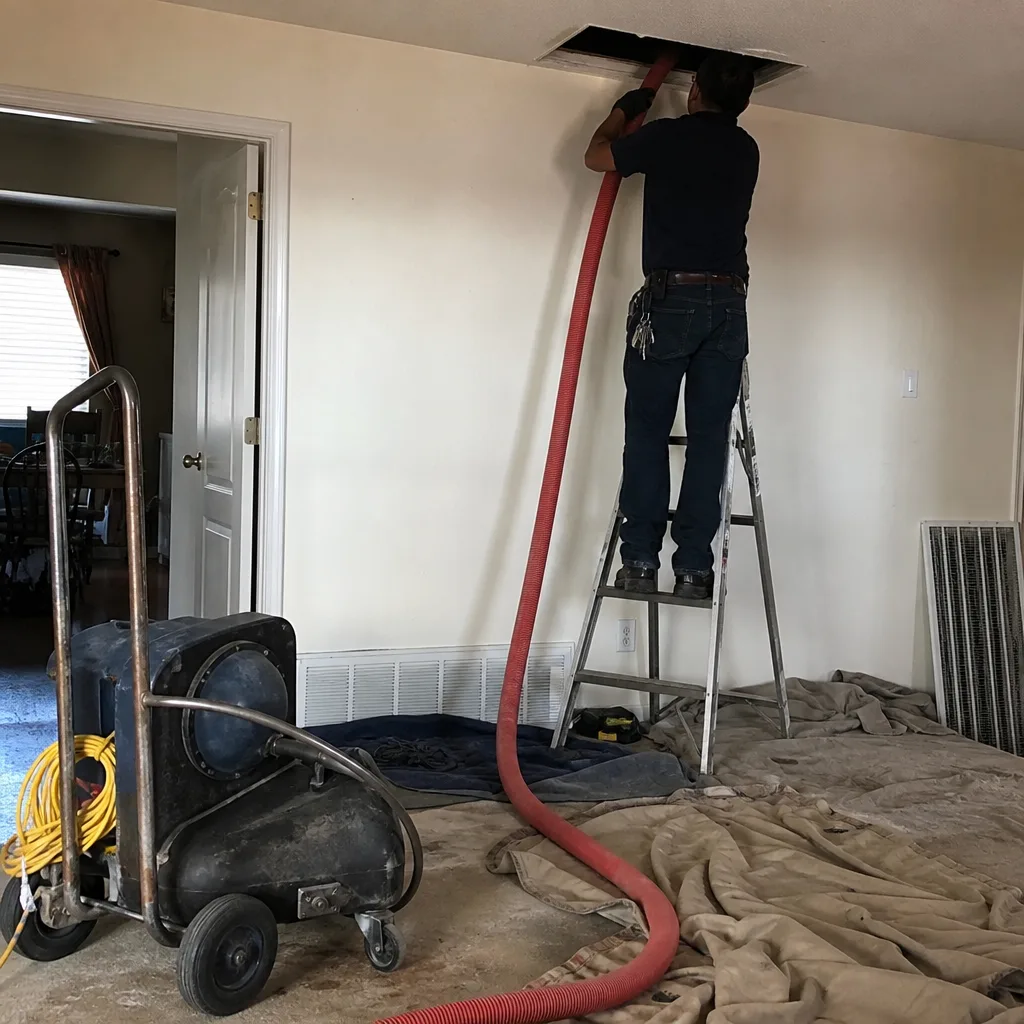
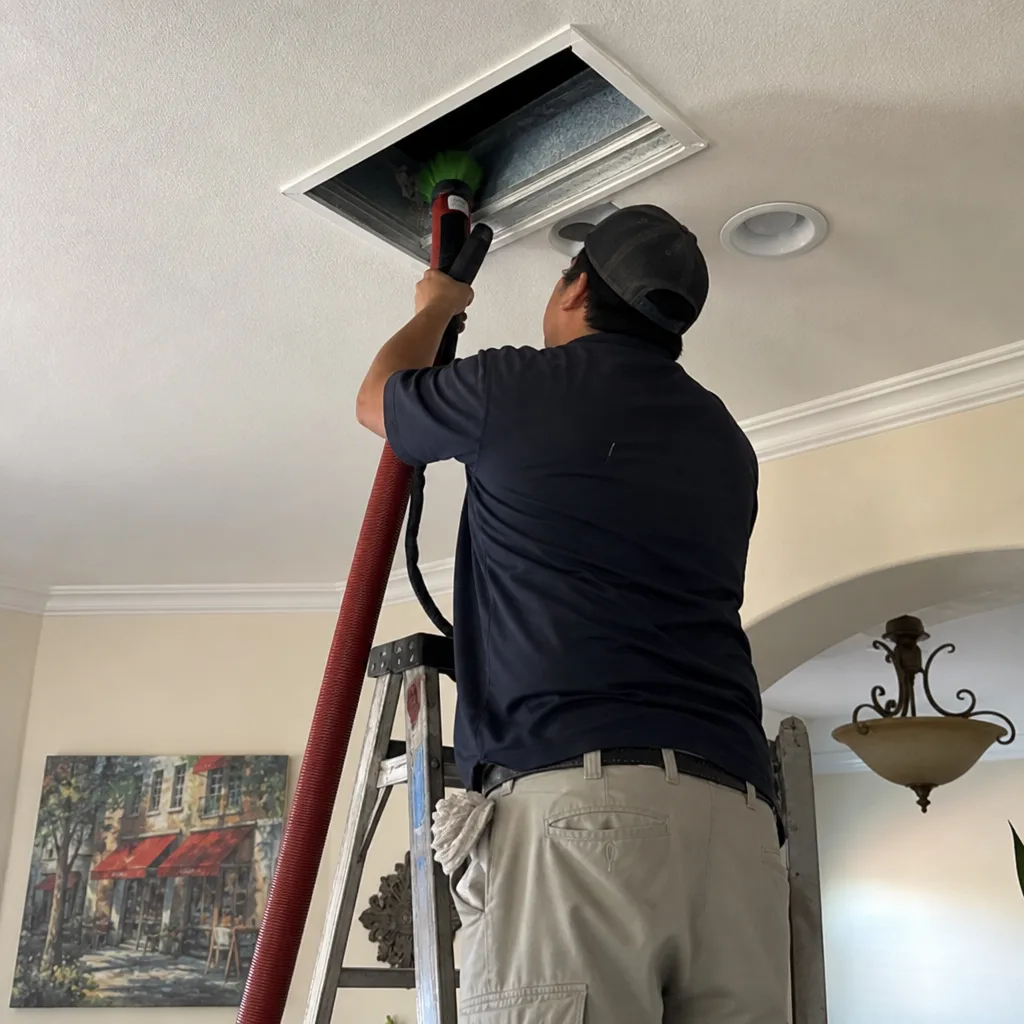
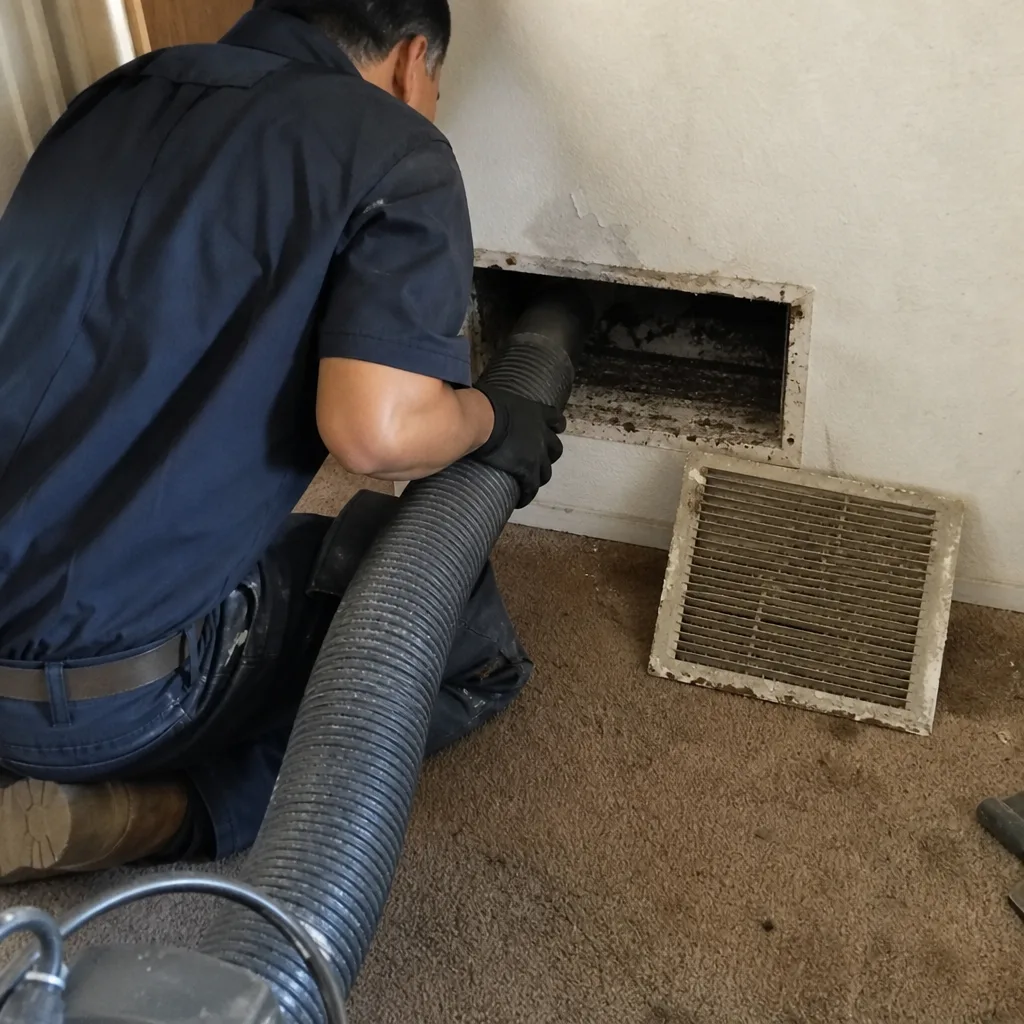
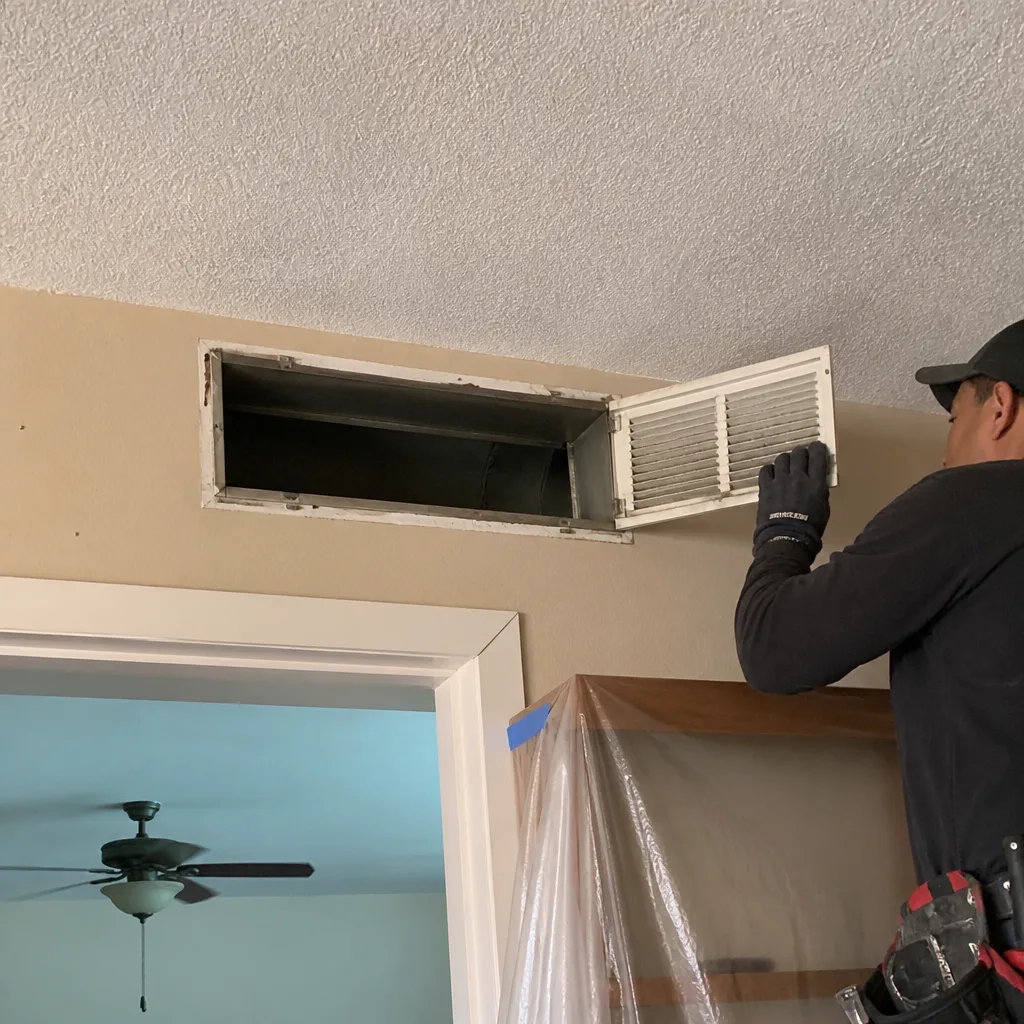
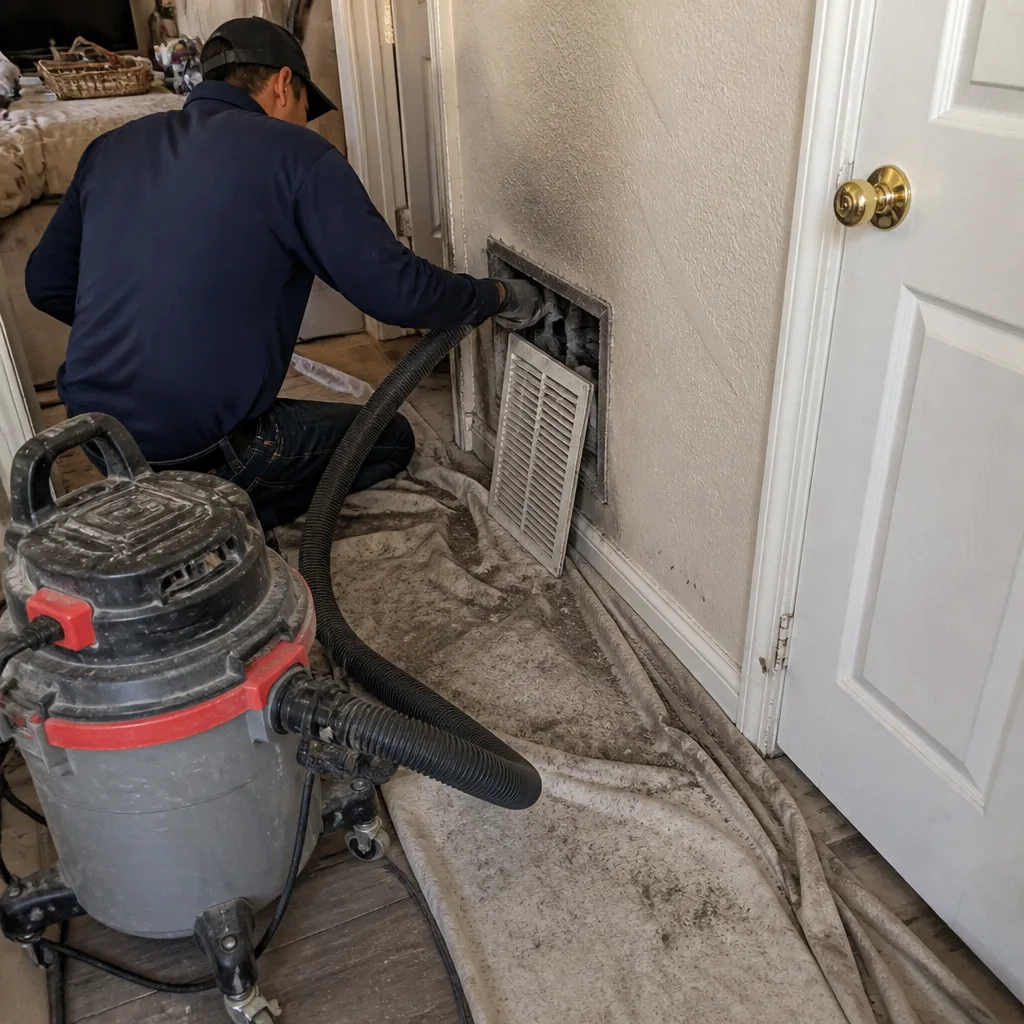
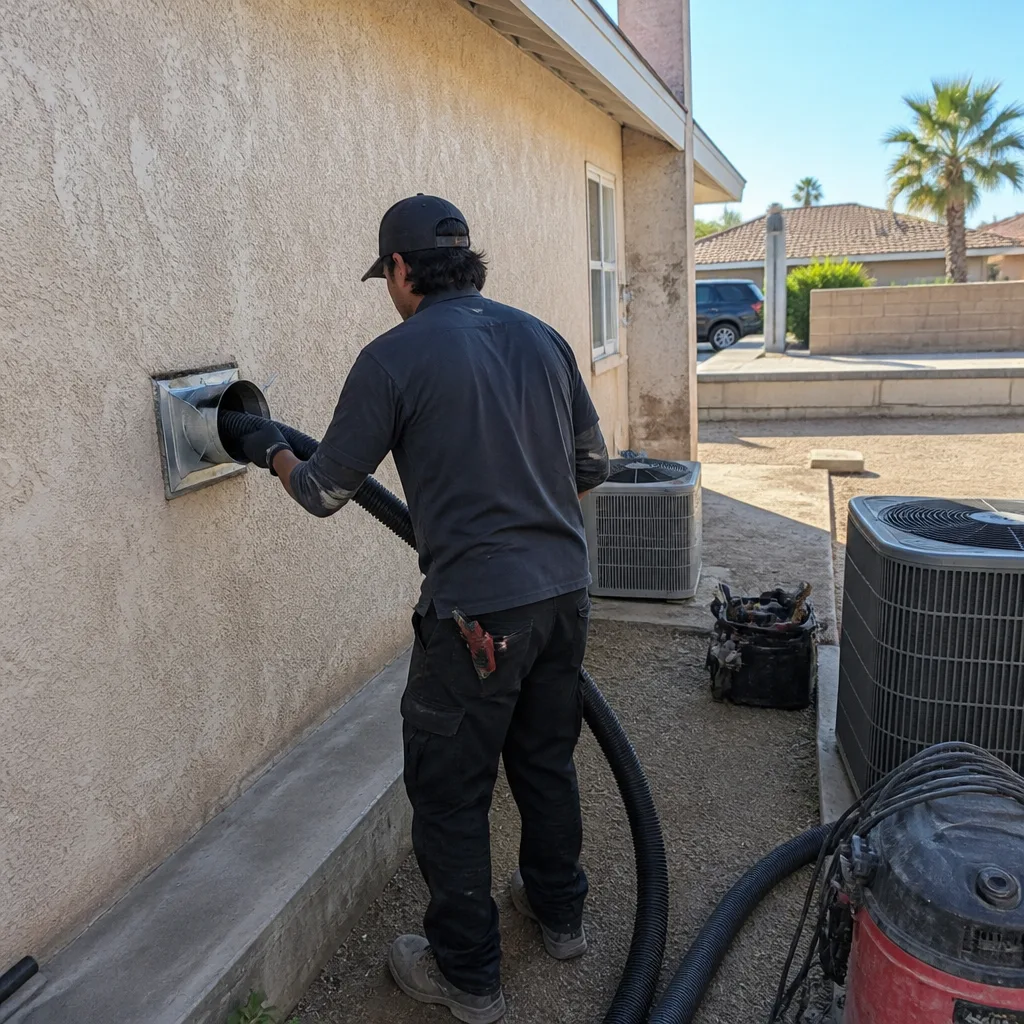
Whole-system duct and dryer vent check with before-and-after photos - you see exactly what came out of your vents
That "$99 whole-house special" is a bait ad - the real number appears once they are in your hallway, or the "clean" is a shop-vac at the register. We photograph the inside of your ducts before and after instead.
Air Duct Cleaning Emergency Preparedness Guide for Hesperia Homes
Most homeowners only think about their air ducts when the house gets dusty or the power bill climbs. But in Hesperia, where wildfire smoke rolls down the Cajon Pass, Santa Ana winds push grit through every exterior seal, and summer outages leave systems baking in 105-degree heat, duct preparedness should work more like a fire extinguisher: not something you use daily, but something you absolutely know how to reach when conditions shift. This guide walks through what actually happens inside your duct network during each type of high desert event, what to do in the first hours after one passes, and how to tell whether you need a deep filter change or full professional extraction. We’ve cleaned and repaired enough post-event systems across Hesperia to know which responses save money and which ones trap contamination deeper into the network.
Styles & brands we work with
- Whole-home duct cleaning
- Dryer vent cleaning
- Camera inspection
- Sanitizing & deodorizing
Quick Answer
Emergency preparedness for air ducts in Hesperia means knowing three things before an event: how to run your HVAC system defensively during smoke or wind advisories, what to inspect and replace immediately after the event passes, and when to bring in our Air Duct Cleaning services rather than relying on a filter swap. For most Hesperia homes, a post-wildfire or post-Santa-Ana professional duct cleaning runs $450 – $850 for a standard single-system home, and scheduling within 7 – 10 days of the event prevents particulate from compacting into the duct walls and requiring more aggressive removal later.
Table of Contents
- What Wildfire Smoke Actually Does to Hesperia Duct Systems
- Pre-Event Protocol: Operating Your HVAC Defensively During Smoke Advisories
- Santa Ana Wind Events and Return-Side Contamination
- Post-Power-Outage Startup Protocol for Hesperia Homes
- Post-Event Assessment: The Inspection Sequence That Spots Real Damage
- Documenting Duct Damage for Insurance Claims
- Professional Extraction vs. Filter Swap: How to Decide
- Common Mistakes to Avoid
- When to Call a Professional
- Frequently Asked Questions
- The Bottom Line
What Wildfire Smoke Actually Does to Hesperia Duct Systems
After a wildfire smoke event or a major wind storm, the first thing most Hesperia homeowners do is change their filter and assume the indoor air will recover. The problem is that the average residential filter only captures particles that reach it. If your system ran during the smoke event, the contamination is already past the filter and inside the duct network. Smoke particles in the 0.3 to 2.5 micron range pass through standard fiberglass and most pleated filters without pausing. They travel through the supply plenum, coat the interior of the supply ducts, and settle in the return-side bends where airflow drops.
Hesperia sees meaningful wildfire smoke exposure because of its position downwind of the San Bernardino National Forest and the Cajon Pass corridor. Smoke doesn’t behave like household dust. It’s thermally buoyant, chemically sticky, and carries volatile organic compounds that bond to duct surfaces. The resinous particulates from chaparral and pine fires are the worst offenders. Unlike the fine dust that accumulates from normal occupancy, smoke residue adheres to the inside of sheet-metal and flex duct alike. Once it’s in, it off-gases slowly over weeks and months, and that’s why a house can still smell like a campfire in December after an October fire event.
In our experience servicing Hesperia homes after fire seasons, the systems that fare worst are the ones that ran continuously during the smoke advisory, especially in neighborhoods near the foothills like Summit Valley or around Main Street near the older housing stock where return-air sealing is already compromised. Running the fan on “on” instead of “auto” during a smoke event pulls more contaminated air through the return each hour, and each pass adds a new layer to the duct interior.
Pre-Event Protocol: Operating Your HVAC Defensively During Smoke Advisories
When the National Weather Service issues a smoke advisory for the Victor Valley, your HVAC system needs to stop pulling outdoor air across the duct network. The goal is not filtration; the goal is reducing the volume of particulate that enters the system in the first place. The following steps work for any Hesperia home with a standard central HVAC setup.
- Switch the thermostat fan setting from “on” to “auto.” A continuously running fan draws air through the return even when the system isn’t heating or cooling, which means it’s actively pulling smoke into the ducts 24 hours a day. Auto mode only runs the blower during actual heating or cooling cycles, cutting intake time by a substantial margin.
- Close all exterior windows, doors, and any fresh-air intakes. Homes with whole-house fans in the older Hesperia housing stock often have a louvered vent in the hallway ceiling. Make sure that vent is fully sealed during a smoke event, not just switched off. Smoke particles find their way through partial seals.
- Set the system to recirculation mode if your unit supports it. This is the setting that keeps indoor air cycling through the system without pulling in outdoor air. If you don’t have that option, consider turning the system off entirely during the worst hours of the event.
- Upgrade the filter before the event, not after. A MERV 13 filter installed before a smoke event catches a meaningful percentage of incoming particulate, but installing it after the smoke has already passed through the system doesn’t help anything that’s already inside the ductwork.
- Leave the system off during the peak smoke hours if possible. Hesperia’s overnight cooling cycle means homes often don’t need air conditioning between 10 p.m. and 8 a.m. even during fire season. Using that window to keep the blower off reduces total particulate loading.
What you’re doing here is limiting the dose. Smoke damage to ducts is cumulative. A system that ran for four hours during a smoke event has a fraction of the contamination of one that ran for forty. That difference often determines whether you need professional extraction or a simple filter replacement and surface wipe-down. We’ve assessed homes on the same street in Hesperia after the same fire event where one system needed air duct cleaning in Hesperia and the other needed only a filter swap, based entirely on how the homeowner operated the fan during the advisory.
Santa Ana Wind Events and Return-Side Contamination
The Santa Ana winds that sweep through the Cajon Pass into Hesperia are not a nuisance wind. They’re a duct-contamination event. Sustained winds of 30 to 50 mph, with gusts above 70, carry fine desert particulate, decomposed granite dust, and construction debris from the high desert floor directly into residential neighborhoods. This grit doesn’t just settle on patios and window sills. It gets pulled into return-air registers through building envelope gaps, under doors and window frames, and through any exterior wall penetration that isn’t fully sealed.
The return-side duct system is the first point of contact for this contamination. When wind-driven dust enters your return registers, it travels to the return plenum, then through the return ducts to the furnace or air handler cabinet. The heaviest deposition happens at return-side bends and where the return ducting passes through unconditioned spaces like attics or crawl spaces. Wind-driven sand particles are larger than smoke particles but smaller than what most filters catch, and they’re abrasive. Over multiple wind seasons, that abrasive loading degrades duct seals, especially at the taped joints in older Hesperia homes built before mastic sealing became standard.
The inspection sequence after a significant Santa Ana event should look like this:
- Remove one or two return grilles on the windward side of the house and look inside the duct with a flashlight. You’re checking for visible dust accumulation, sand, or debris that wasn’t there before.
- Run your finger along the inside of the return boot. If it comes away with a gray or tan film, that’s wind-driven particulate that’s already through the filter and into the system.
- Check the blower compartment and filter for debris. Wind events can pull small leaves, pine needles, and construction material fragments through compromised return paths.
- Listen for new rattling or whistling at the return registers when the system runs. That indicates debris has shifted and may be obstructing airflow or loosening duct connections.
Homes near the south and west edges of Hesperia, closer to the open desert and with less developed buffer, take more wind loading than neighborhoods nestled against the north slopes. We’ve replaced return ducting that had more than three inches of packed desert sand in homes where the return ran through an unconditioned attic with unsealed joints. It doesn’t happen in one storm season, but every Santa Ana event adds a layer.
Post-Power-Outage Startup Protocol for Hesperia Homes
Extended summer power outages are a Hesperia reality, whether from grid strain during heat waves, wind-related line damage, or public safety power shutoffs during fire weather. When an HVAC system sits idle in a 100-degree house for 24 hours or longer, the conditions inside the duct network change. And the blind restart, just flipping the thermostat back on and walking away, carries real risk.
The two things that happen inside idle ducts during a summer outage are heat and humidity accumulation. A sealed attic in Hesperia can reach 140 degrees or higher in July. Duct interiors sitting idle in that heat absorb it, and when the system restarts, the first air pushed through carries whatever accumulated inside: dust that’s been baked onto the duct walls, microbial growth that found moisture during the idle period, and in some cases, evidence of pests that found a quiet entry point.
The startup sequence that protects your system and your air quality:
- Inspect the outdoor condenser unit before restoring power. Look for debris blown in, animal nests, or damage to the coil fins. A blocked or damaged condenser runs hot and strains the whole system.
- Replace the filter before the first startup. Even if it wasn’t due. The filter has been sitting in a hot, dark environment, and whatever it captured before the outage has had time to compact and bake.
- Open several windows and run the fan only, for 10 – 15 minutes, before switching over to cooling. This is the purging cycle. It pushes out the stale, heated air sitting in the ducts without adding the moisture load of the cooling coil.
- Listen for unusual sounds in the first five minutes of operation. Popping, clicking, or grinding can indicate debris that moved into the blower or heat exchanger during the idle period.
- After the system has been running normally for 30 minutes, smell the air at a supply register. A musty or scorched odor indicates something accumulated during the outage and should be addressed before continued use.
In our experience, Hesperia homes with flex duct in attic installations are the most likely to show issues after an extended summer outage, because the flex material absorbs heat differently than rigid sheet metal and can develop pinhole leaks or separation at the joints when it expands and contracts. An air duct repair in Hesperia call after an outage is often the difference between minor maintenance and premature replacement.
Post-Event Assessment: The Inspection Sequence That Spots Real Damage
Once the smoke clears, the wind dies, or the power returns, most Hesperia homeowners do exactly the wrong thing: they change the filter and move on. The filter only tells you what the filter caught. The assessment that matters is what made it past the filter and into the network itself. Here’s what to check, in order of importance:
- Return-side registers and the visible portion of return ducting. This is where contamination enters, and it’s the highest-concentration area after any event. Remove the grille cover and look inside with a flashlight. Smoke residue looks like a dark gray or brown coating. Wind sediment looks like tan or gray powder.
- Supply registers on the far reaches of the system. The rooms farthest from the air handler tell you what’s being pushed through the system. A dark circle forming on the wall or ceiling around a supply register indicates particulate escaping through the register edges.
- The blower motor housing and evaporator coil area. If you can safely open the blower compartment, look for accumulated debris. On most Hesperia homes, this means removing a small access panel. If you’re not comfortable with that, a professional assessment is the better call.
- Flex duct in the attic, if accessible. Look for sagging, pinched sections, or separation at the collar connections. Heat and age degrade flex duct, and any wind event or outage that put thermal stress on the system tends to reveal weak points.
- The filter housing itself. A filter that’s distorted, pulled into the housing, or visibly bypassing air around its edges tells you the system was operating under pressure during the event, which means unfiltered air was flowing past it.
For homes that ran their HVAC through a significant Hesperia smoke event, the question isn’t whether smoke entered the ducts. It’s how much, and whether it’s the kind of light loading that a thorough filter change and register wipe-down can handle, or the kind of saturated deposition that requires professional extraction with a Rotobrush or Nikro system to remove. As a rule, if you can smell smoke at a supply register two weeks after the event, the contamination is in the duct walls, not the filter, and surface cleaning isn’t going to reach it.
Documenting Duct Damage for Insurance Claims
If a wildfire, extended outage, or wind event causes enough damage to your Hesperia home that you’re filing a property claim, your duct system may be a legitimate part of that claim – just be sure you understand Air Duct Cleaning Permits, Codes & Inspections in CA: What You Need to Know. But insurance adjusters respond to documentation, not descriptions. What you photograph and record in the first days after the event determines whether the duct portion of the claim gets approved or denied.
What to document:
- Photograph every return and supply register before any cleaning is done. Remove the grilles and photograph the inside of the register boot with a flashlight. These photos establish the contamination baseline.
- Photograph the filter as it sits in the housing, and after you remove it. A filter loaded with smoke or wind-driven sand is evidence that the system was actively drawing contaminated air.
- Record the dates and durations of any power outage, smoke advisory, or wind event that affected the property. The more specific the correlation between the event and the system condition, the more likely the claim gets classified correctly.
- Save any event-related bulletins or alerts. NWS smoke advisories for the Victor Valley, public safety power shutoff notices, or Cal Fire incident boundaries that include Hesperia all support the claim.
- Photograph any visible damage to the outdoor condenser, the ductwork in accessible areas, or the registers themselves. Bent fins, dented duct, or torn flex are physical damage, not just contamination, and adjusters treat those differently.
If a professional assessment is part of the claim, get the findings in writing. A written assessment from a qualified technician that identifies event-related contamination or damage carries more weight than a homeowner’s description. Most Hesperia insurance policies cover duct cleaning and repair when the damage is tied to a covered event, but the burden is on the homeowner to prove the event caused the condition. Without photos and dates, the claim usually defaults to “normal maintenance.”
Professional Extraction vs. Filter Swap: How to Decide
The honest question after any Hesperia air quality event is whether the system needs professional extraction or whether a filter change and surface cleaning is sufficient. Here’s the framework we use with local homeowners.
A filter swap and register wipe-down is likely sufficient when:
- The system was in fan-auto mode during the event and ran minimally.
- The event was brief, measured in hours rather than days.
- You can’t detect any smoke, musty, or dusty odor at the supply registers after replacing the filter.
- The filter you removed was clean or only lightly loaded, indicating the system didn’t process much contaminated air.
- Visible inspection of the register boots shows no coating or accumulation.
Professional extraction is the right call when:
- The system ran continuously, or nearly continuously, during a smoke advisory or prolonged wind event.
- You can smell smoke, must, or dust at the supply registers after a filter change and a week of normal operation.
- The filter you removed is heavily loaded, discolored, or the surface is packed with gray or tan particulate.
- You see visible coating on the inside of the register boots or return ducting.
- Anyone in the household has asthma, allergies, or respiratory conditions that make prolonged particulate exposure riskier.
For Hesperia homes that need professional extraction, the scope of work is measurable. At Duct Cleaning Hesperia home, we run commercial-grade extraction equipment through the full supply and return network, not just the registers. The Rotobrush and Nikro systems use motorized agitation that breaks the smoke or sediment layer free from the duct walls, and a high-velocity vacuum captures it at the source rather than letting it re-enter the living space. Consumer-grade shop-vac approaches can’t reach beyond the first few feet of visible duct, and they stir up what they can’t capture. For post-event contamination, that’s the difference between remediation and redistribution. Those systems are the same ones used in commercial and remediation settings, which matters when you’re dealing with smoke that’s already bonded to the duct surface.
Common Mistakes to Avoid
- Running the fan on “on” during a smoke advisory. This is the single most damaging operational choice a Hesperia homeowner can make during fire season. Continuous fan operation pulls smoke through the duct network around the clock, maximizing deposition. Switch to auto and the volume of contamination drops dramatically.
- Waiting weeks to address smoke odor in the ducts. Smoke particles that sit on duct surfaces continue to off-gas and bond. The longer the delay, the more aggressive the extraction needs to be, and in some cases, the odor becomes permanent without full liner replacement.
- Assuming a MERV 13 filter solved the problem. A MERV 13 filter reduces what gets through during the event, but it does nothing for what’s already deposited in the duct network. It’s protection, not remediation.
- Restarting the system after an extended summer outage without a filter change and purge cycle. The first air through the system is the air that’s been sitting and accumulating in the ducts. That first breath of supply air is the dirtiest air in the house at that moment.
- Hiring a duct cleaner who only works from the registers. Register-level cleaning doesn’t reach the interior of the duct network where smoke and sediment actually settle. Hesperia has companies that do surface-level work, and the results look the same for about two weeks, and then the smell comes back.
- Not photographing the system condition before any cleaning is done. If you plan to file an insurance claim, cleaning the evidence first makes the claim much harder to support. Document first, clean second.
When to Call a Professional
There’s a limit to what a homeowner can assess and address without professional equipment. If you can smell smoke, must, or burning dust at the supply registers more than a week after a Hesperia smoke or wind event, the contamination is in the duct walls and professional extraction is the only way to reach it. If you see visible coating on the inside of the register boots, if the system ran through a major event with a standard filter, or if anyone in the household has respiratory sensitivities, don’t wait. The duct network is not something you can meaningfully clean from the vent covers. Dryer vent cleaning in Hesperia is equally important after wind events, since dryer vents accumulate the same wind-driven sediment and become a fire risk when clogged. Duct Cleaning Hesperia offers free estimates in Hesperia, call (877) 331-2951.
Frequently Asked Questions
Post-event air duct cleaning in Hesperia typically costs $450 – $850 for a standard single-system home, depending on the square footage, the number of supply and return registers, the accessibility of the ductwork, and the severity of the contamination. Smoke-saturated systems that require additional agitation or extended extraction time fall at the higher end of that range. Call (877) 331-2951 for an exact quote based on your system. Estimates are free.
Schedule professional duct cleaning within 7 – 10 days of the smoke event for best results. Smoke particulate that sits on duct surfaces for weeks becomes increasingly bonded and harder to remove, and the odor compounds as residue compacts. If you wait longer than a month, the contamination may require more aggressive treatment or, in extreme cases, duct replacement.
No. A high-MERV filter only captures particles that pass through it after installation. It does nothing for smoke, dust, or sediment already deposited inside the duct network from a previous event. Think of it as putting a clean screen on a window after the dust has already blown through. Post-event remediation requires physical extraction from the duct interiors.
Remove one return grille on the windward side of your Hesperia home and look inside the register boot with a flashlight. If the duct interior has a gray or tan coating, or if you can wipe a visible film off the duct surface with your finger, wind-driven sediment has entered the system. You’ll typically see the heaviest accumulation in return-side ducting and near the air handler.
If possible, keep the system off during the worst smoke hours, and if you must run it, set the fan to “auto” rather than “on.” Running the fan on “auto” during a smoke advisory limits the hours of active contamination intake. If your system has a recirculation mode, use it. Running the system does not filter smoke out of the duct network; it pulls more smoke through it.
Many Hesperia homeowner’s policies cover duct cleaning and repair when the contamination or damage can be tied to a specific covered event such as wildfire smoke, wind damage, or a power outage that caused system failure. The key is documentation: photograph the registers and filter before any cleaning is done, record event dates, and get a written professional assessment if one applies. The burden of proof is on the homeowner, and without photos, the claim usually gets classified as routine maintenance. Call (877) 331-2951 if you need a written assessment for an active claim.
The Bottom Line
Hesperia’s combination of wildfire smoke exposure, persistent Santa Ana winds, and extended summer outages means HVAC systems here take on contamination and stress that systems in milder climates never face. The prepared homeowner runs their system defensively during advisories, documents the system condition before and after events, and knows when a filter change is sufficient versus when professional extraction is the only real fix. The duct network is not self-cleaning, and the particles that matter are the ones you can’t see from the register. When an event hits, the sequence is always the same: limit intake, inspect, document, and call for professional help when the evidence says the inside of the system took contamination. Air you can actually breathe isn’t just about what’s in the filter. It’s about what’s left behind after the event is over.
Written by the team at Duct Cleaning Hesperia, serving Hesperia since 2014. Explore more guides & resources.
See the difference
 Before
 After
 Before
 After
 Before
 After