
Last updated November 2, 2026
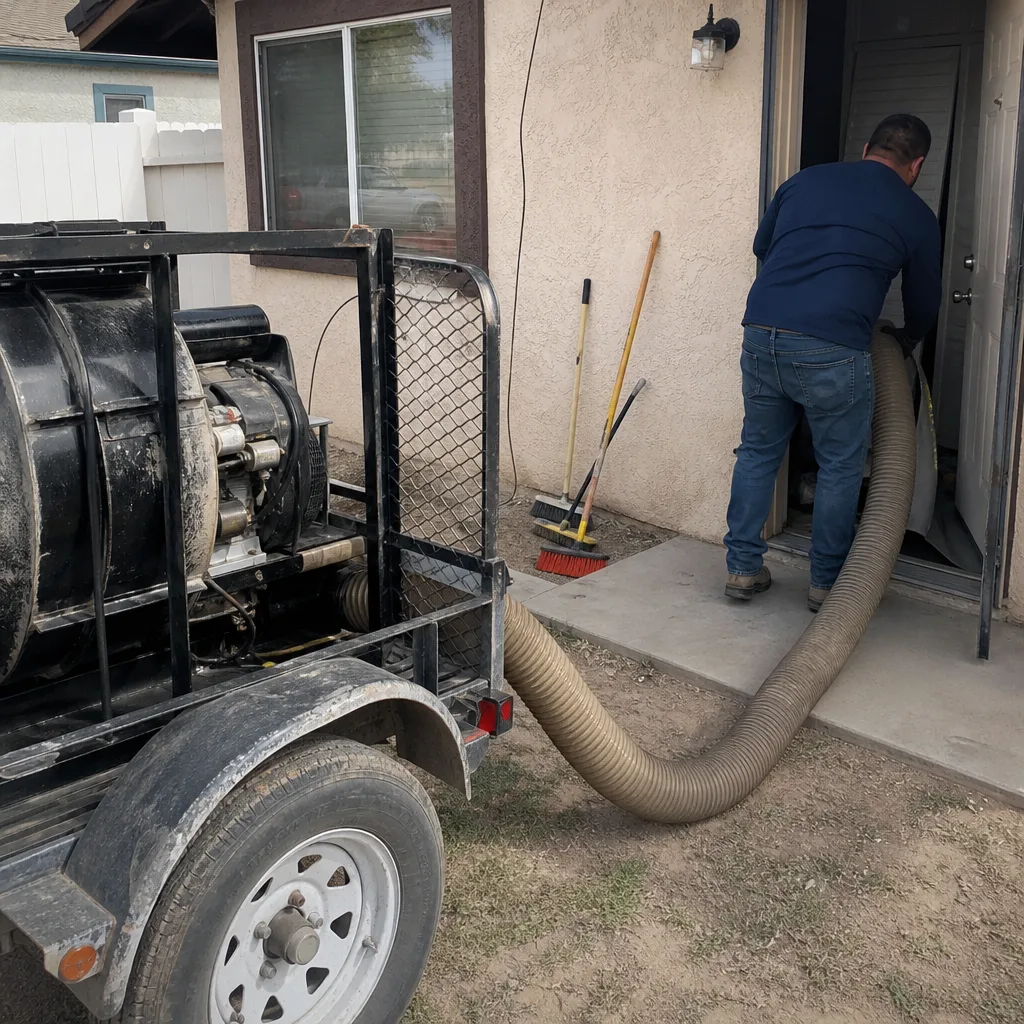
 Whole-home duct cleaning
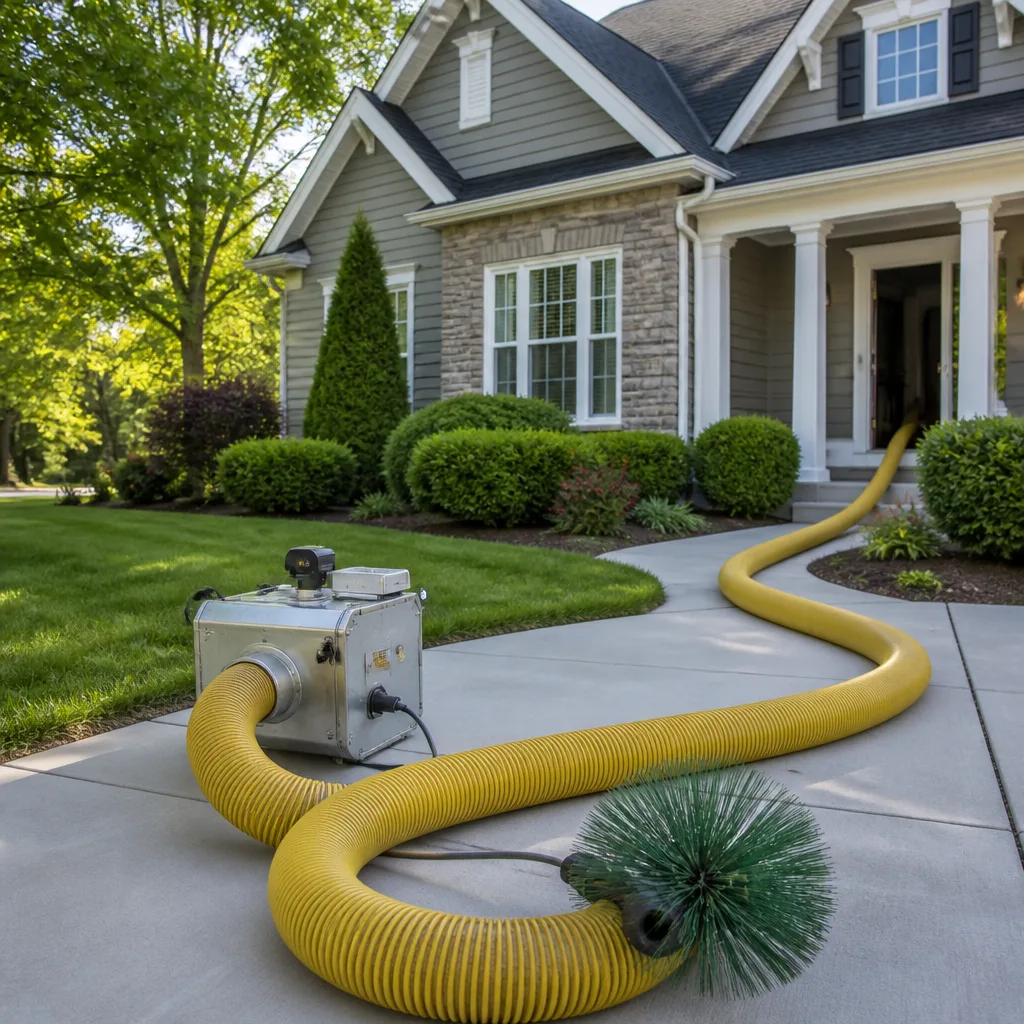
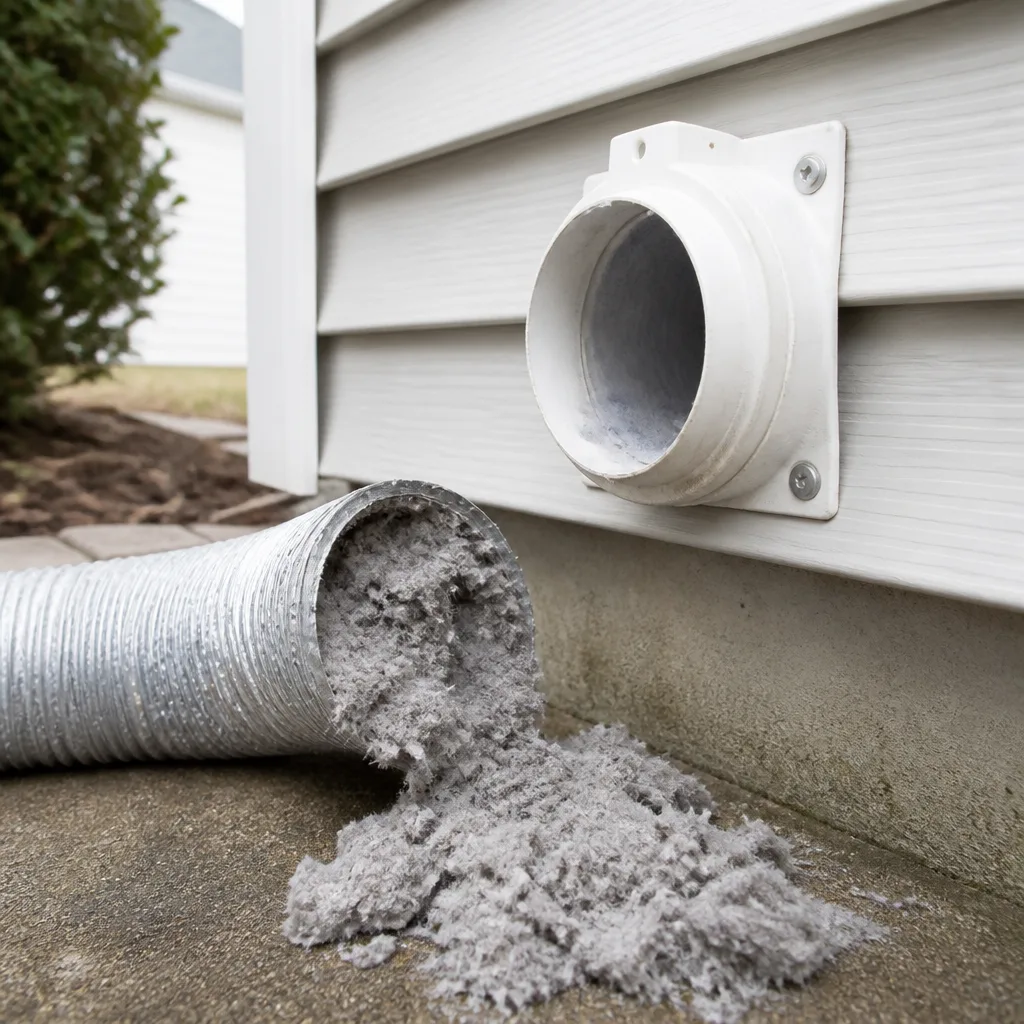 Dryer vent cleaning
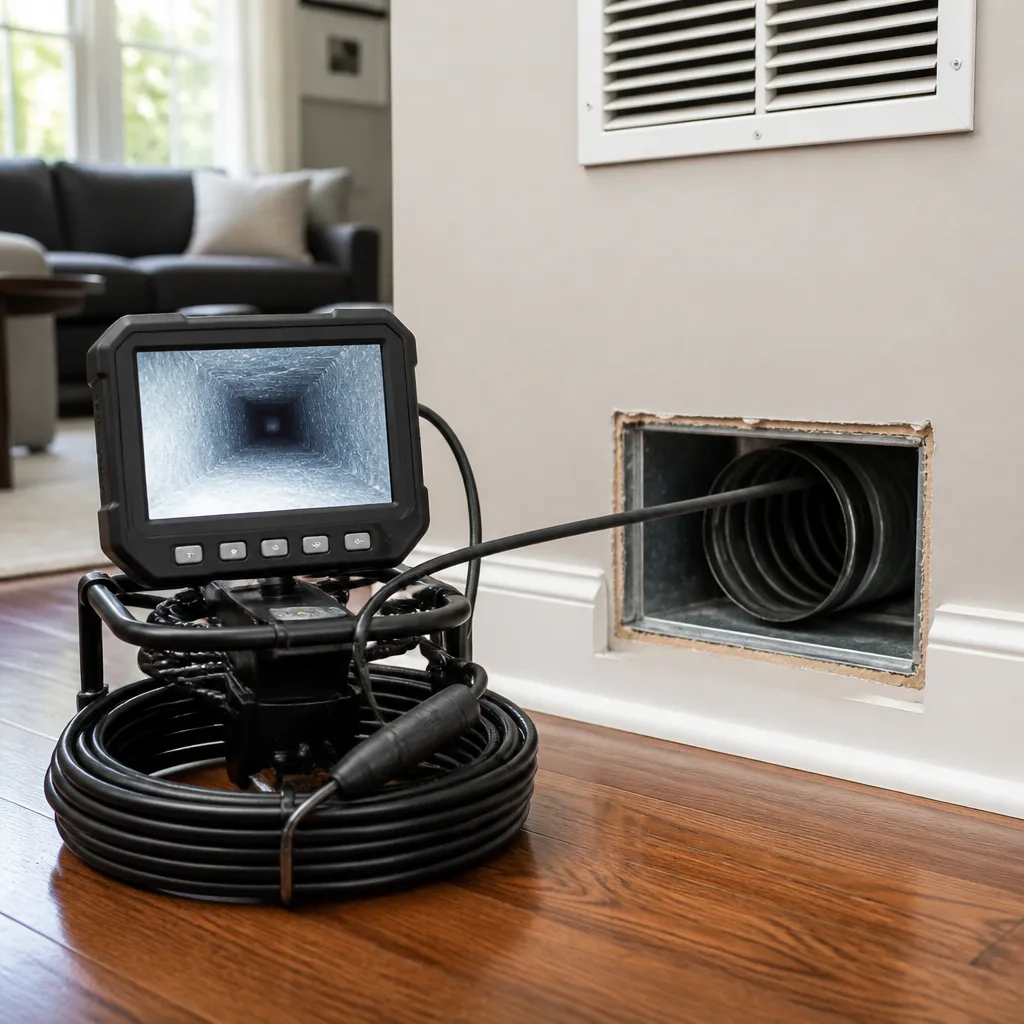 Camera inspection
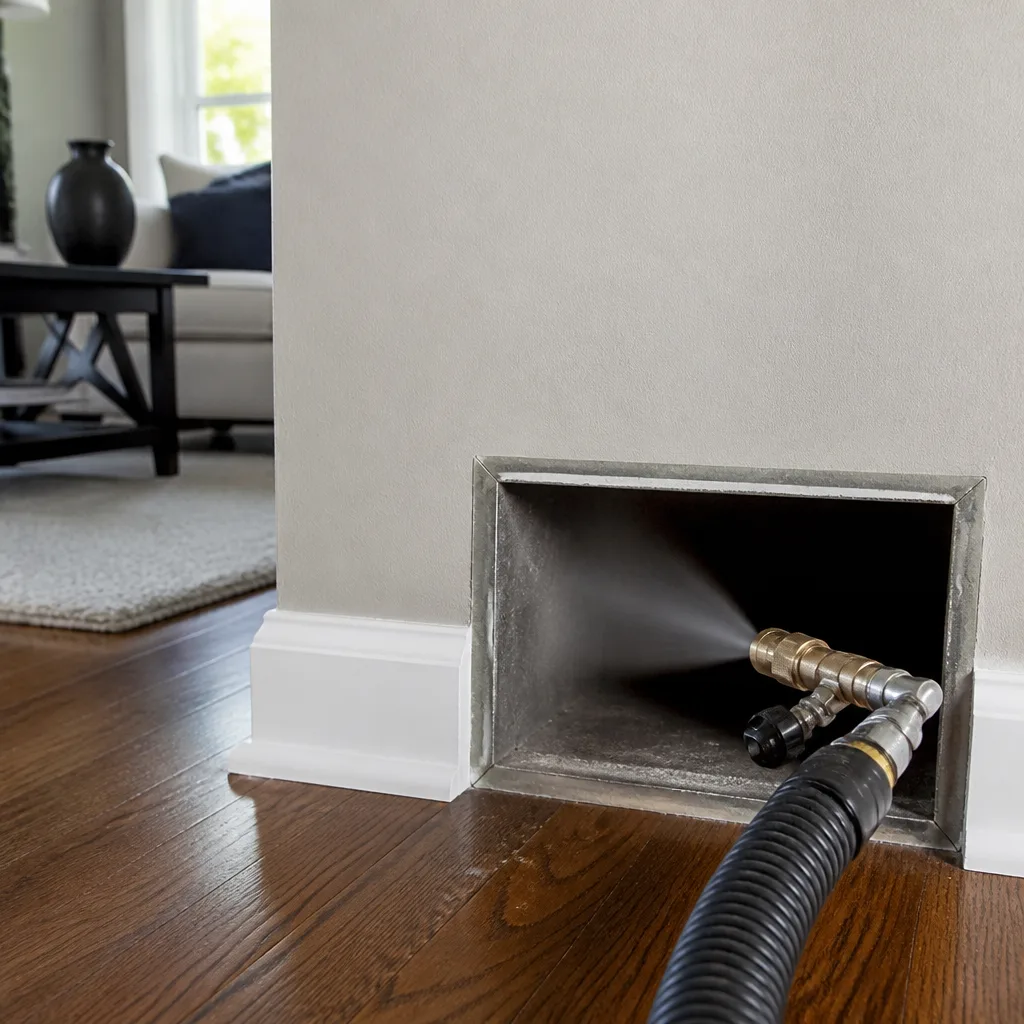 Sanitizing & deodorizing
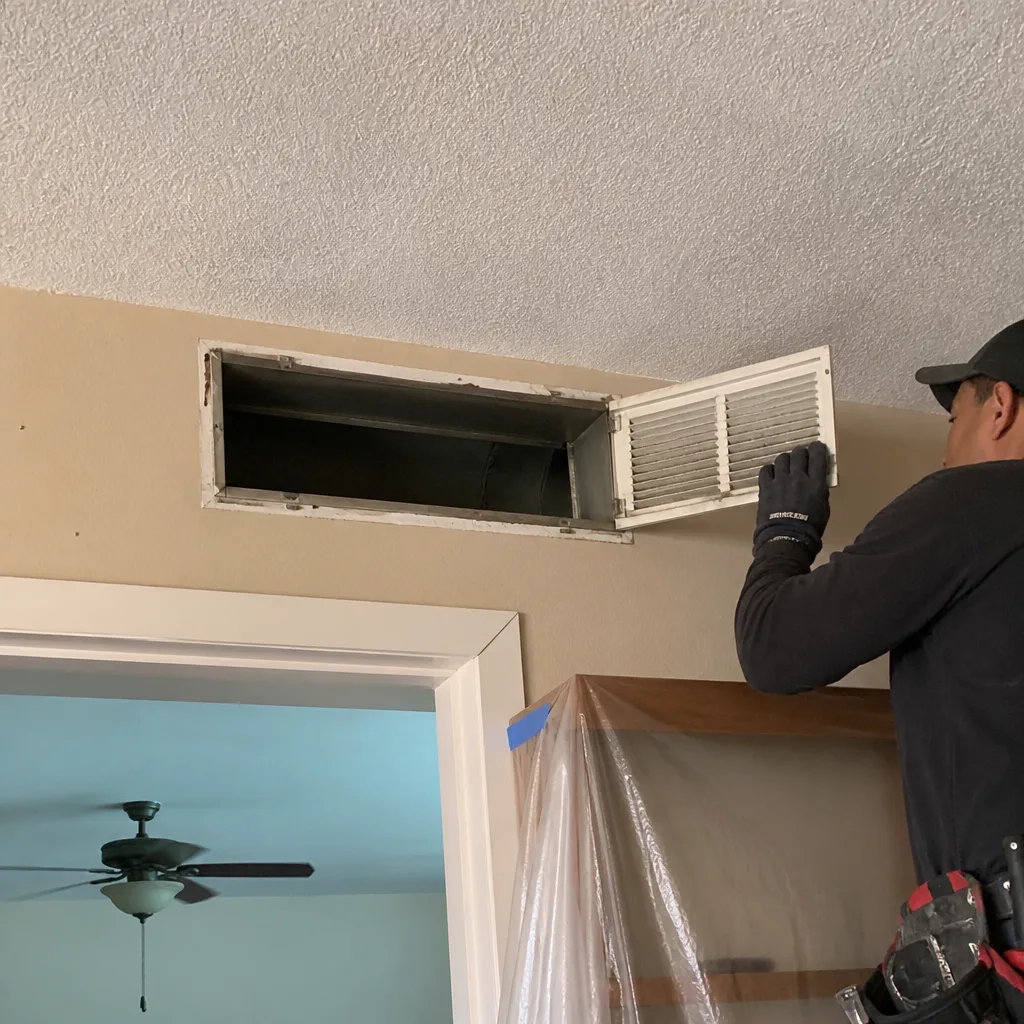
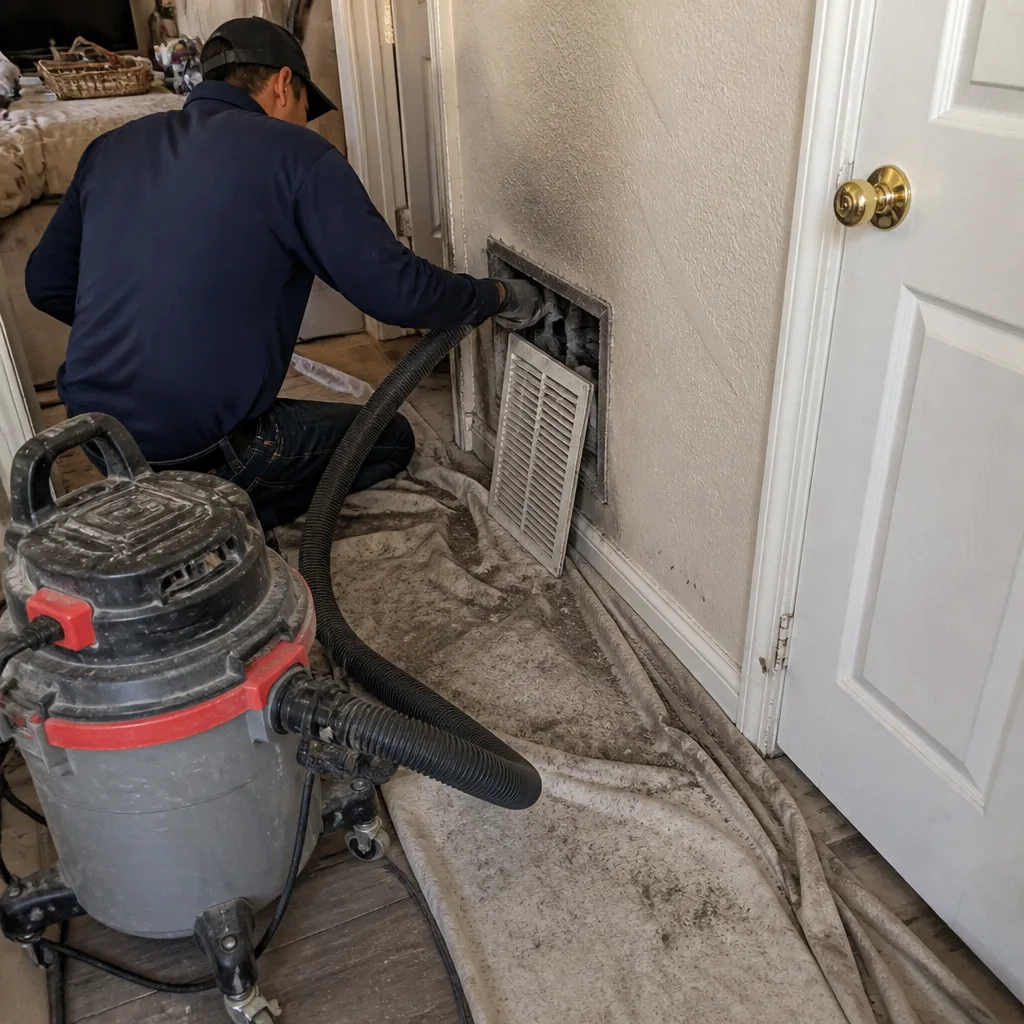
Whole-system duct and dryer vent check with before-and-after photos - you see exactly what came out of your vents
That "$99 whole-house special" is a bait ad - the real number appears once they are in your hallway, or the "clean" is a shop-vac at the register. We photograph the inside of your ducts before and after instead.
Seasonal Air Duct Cleaning Care for Hesperia: Year-Round Homeowner’s Guide
In Hesperia, the conventional wisdom about “spring cleaning” your air ducts is backwards. Waiting until April means your system has already spent months pushing settled winter dust, pet dander, and furnace soot through your living spaces. By the time you schedule that spring appointment, the damage to your indoor air is done. This guide maps duct maintenance to Hesperia’s actual calendar: cold desert winters, brutal triple-digit summers, the Santa Ana wind season, and wildfire smoke events that roll down from the San Bernardino National Forest. We’ll walk through what to do before each season turns, which problems are worth fixing yourself, and when the right move is a professional cleaning with equipment built for the job.
Quick Answer
Seasonal air duct care in Hesperia works best on a reversed schedule: clean ducts in late winter before the first AC cycle, inspect after Santa Ana wind events in fall, and address wildfire smoke infiltration immediately rather than waiting for allergy season. A professional whole-system cleaning every 2 to 3 years covers most Hesperia homes, with filter changes every 60 to 90 days in between. The goal is staying ahead of the High Desert’s dust load, not reacting to it after your vents have already spread it through the house.
Styles & brands we work with
- Whole-home duct cleaning
- Dryer vent cleaning
- Camera inspection
- Sanitizing & deodorizing
Table of Contents
- Why Hesperia Ducts Get Dirtier Than Coastal Homes
- Late Winter: The Real “Spring Cleaning” Window
- Pre-Summer: The First AC Cycle Is the Dirtiest One
- Wildfire Smoke Protocol: What to Do After a Smoke Event
- Fall: The Case for a Post-Santa Ana Inspection
- Winter Heating Startup: More Than a Filter Change
- Your Year-Round Maintenance Schedule
- Common Mistakes to Avoid
- When to Call a Professional
- Frequently Asked Questions
Why Hesperia Ducts Get Dirtier Than Coastal Homes
Hesperia sits in the High Desert at roughly 3,200 feet of elevation, which means the air itself carries more fine particulate than what you’d find 80 miles southwest in Los Angeles. The Mojave Desert’s dry, wind-driven dust is a constant presence, and your HVAC system is the primary filter between that outdoor air and your living room. Every time your system pulls in outside air, it brings a portion of that desert with it.
We’ve inspected duct systems throughout Hesperia, from older homes near Main Street to newer builds in the Mesa and around Hesperia Lake, and the pattern is consistent. Ducts here accumulate a specific kind of debris: fine, powdery silt that settles into every joint and seam, rather than the heavier lint-and-hair mix you see in humid coastal homes. That powder is light enough to re-enter the air stream every time the blower kicks on.
Add to that the seasonal extremes. Summer temperatures above 100 degrees push AC systems to run 12 to 16 hours a day. Winter nights near freezing trigger furnace cycles through the early morning. The temperature swings cause duct materials to expand and contract, which over time loosens connections and creates small gaps where unconditioned attic or crawlspace air gets sucked in. That air carries whatever’s in those spaces: insulation fibers, dust, rodent droppings. The result is a duct system that works harder and distributes more contaminants than a comparable system in a milder climate.
This is the context for everything that follows. Seasonal duct care in Hesperia isn’t a preference. It’s the difference between a system that simply moves air and one that genuinely delivers cleaner air to the rooms where your family sleeps, eats, and breathes.
Key Takeaways: Why Hesperia Is Different
- High Desert dust is finer and lighter than coastal dust, making it easier to re-enter the air stream
- Extreme temperature swings loosen duct connections over time, pulling in attic and crawlspace air
- Long AC run times in summer mean more total air passes through your ducts than in cooler climates
- Seasonal maintenance here is about managing a heavier dust load, not just routine upkeep
Late Winter: The Real “Spring Cleaning” Window
Here’s the counterintuitive part: in Hesperia, the best time to clean your ducts is February or early March, not April or May. By late winter, your furnace has been running for three to four months, pushing heated air through ducts that have accumulated a full year of dust, pet hair, and skin cells. That settled material is baked onto duct walls by repeated heating cycles, which makes it more likely to flake off and enter the air stream when the system switches to cooling mode.
When you clean in late winter, you remove that entire winter layer before the first AC cycle of the year. The alternative, waiting until April, means the first few weeks of cooling blow all of that material into your living spaces. It settles on furniture. It gets inhaled. It clogs return grilles. The damage is done before you even know it happened.
Schedule a professional air duct cleaning in Hesperia for late winter, and you enter the summer with a system that starts clean. That timing also means the cleaning crew isn’t fighting summer heat in the attic, which makes the job faster and the results more consistent. February and March daytime temperatures in Hesperia sit in the 60s and 70s, which is comfortable working weather for technicians and means your system won’t compete with attic temperatures above 120 degrees.
What Late Winter Cleaning Should Include
- Full duct system cleaning using negative-air equipment that captures debris rather than blowing it around
- Inspection of all accessible duct joints and connections for gaps that developed over winter
- Return grille removal and cleaning, which most homeowners overlook for years at a time
- Filter replacement, sized correctly for your system’s air handler
- A report on any damage, disconnection, or repair needs found during the process
Some of what a late winter cleaning turns up is damage, not just dirt. Cracked duct collars, disconnected branches, collapsed flex runs, all of these are common in Hesperia homes older than 15 years. A company that offers air duct repair in Hesperia can address those findings in the same visit, instead of leaving you to find another contractor later. Your ducts aren’t just dirty; they may be damaged, and the winter cleaning is when you find out.
Pre-Summer: The First AC Cycle Is the Dirtiest One
Every Hesperia homeowner knows the smell. That first hot day in May or June when you switch the thermostat from heat to cool, and the vents exhale something that smells like an old attic. That’s what months of accumulated dust, dead skin cells, and pet dander smell like when they’ve been sitting undisturbed on duct walls and suddenly hit a blast of cold, moving air.
The first AC cycle of the year is the dirtiest one because it’s the moment the system transitions from heating mode, which dries and bakes debris onto duct surfaces, to cooling mode, which introduces condensation and moisture. That moisture loosens the baked-on layer. Add high airflow, and you have the perfect conditions for a particulate release event. Everything that’s been sitting in your ducts since fall gets aerosolized and distributed through every register in the house.
You can’t eliminate this entirely. What you can do is reduce the material available to be released. Cleaning ducts before the first heat run, as covered in the previous section, is the primary strategy. But there’s a secondary one: change your filter immediately before the first cooling cycle of the year.
Most homeowners change filters on a calendar schedule, but the better approach in Hesperia is to change filters on a season-change schedule. Before the first AC run. Before the first furnace run. Those are the two moments when your system sees the biggest shift in temperature, humidity, and airflow, and they’re the moments when a fresh filter does the most work.
If you missed the late winter window and you’re reading this in May with the AC already running, don’t wait another full year. Schedule a cleaning as soon as possible, even if it’s mid-season. The second best time is now.
Pre-Summer Checklist
- Replace the filter before the first cooling cycle, not after
- Walk through the house and check every return grille for visible dust buildup
- Open the air handler cabinet and look for debris at the base, a sign that duct debris has been falling into the unit
- If you skipped a winter cleaning, schedule a professional cleaning before June hits full heat
- Consider a higher-MERV filter for summer months when wildfire smoke is a known risk
Wildfire Smoke Protocol: What to Do After a Smoke Event
Hesperia sits downwind of the San Bernardino National Forest, and when fires burn in the mountains or across the Cajon Pass, smoke settles into the High Desert for days or weeks. Smoke isn’t just an odor problem. It’s fine particulate matter, PM2.5 and smaller, that penetrates deep into lung tissue and embeds itself in porous surfaces. Your duct system is one of those surfaces.
After a significant smoke event, fine particulate settles onto duct walls and into the fiberglass insulation lining common in older duct systems. Then, the next time your system runs, that particulate re-enters the air stream and you’re breathing smoke residue long after the fire is contained. The smell fades from outside air, but it lingers indoors because it’s trapped in the ducts.
What to do immediately after a smoke event:
- Replace your filter. It’s now loaded with smoke particulate and should be treated as contaminated.
- Run your system fan on “On” (not “Auto”) for 24 to 48 hours with the highest-quality filter your system can handle. This forces more air through the fresh filter and removes suspended particulate from the living space.
- Wipe down return grilles with a damp cloth. A surprising amount of smoke residue collects on grille surfaces.
- If the smoke smell persists in the house two weeks after the event, the particulate has likely settled into your duct system. A professional cleaning with HEPA filtration is the practical next step.
The equipment matters here. Not all duct cleaning rigs are built to handle fine smoke particulate. A shop-vac approach simply stirs it up. Professional systems like Nikro negative-air machines and Rotobrush agitation tools use a contained vacuum process that pulls particulate out of the duct and through a filter system without releasing it back into the home. For homes where wildfire smoke is a recurring seasonal concern, this is the difference between removing the problem and just moving it around.
For Hesperia homeowners with respiratory conditions, allergies, asthma, or COPD, smoke events are more than a nuisance. They’re a health trigger. That’s when Abatement Technologies filtration equipment, the kind used in containment and remediation environments, makes practical sense for a residential air quality plan. You don’t need to wait for a worst-case scenario to treat indoor air as a health priority.
Fall: The Case for a Post-Santa Ana Inspection
Santa Ana winds are a fact of life in Hesperia. They arrive in late September through November, blowing dry desert air across the High Desert at 30 to 50 miles per hour, with gusts significantly higher in the passes. Those winds carry sand, dust, and fine particulate from the open desert, and they put real physical stress on your home’s exterior and its HVAC components.
What most homeowners don’t think about is what those winds do to duct systems. High winds pressurize the outside of the house, which changes the pressure differential across exterior walls and the attic. Attic vents become forcing mechanisms. Dust gets driven into any gap or crack it can find. And duct connections, especially on flex duct, can loosen under repeated pressure cycles.
After a major Santa Ana event, a quick inspection is practical:
- Check return grilles for excessive dust buildup. A sudden increase after a wind event signals dust infiltration somewhere in the system.
- Inspect visible duct connections in the attic or crawlspace. Look for flex duct that has pulled away from collars or clamps that have loosened.
- Replace the filter if it’s visibly dirty. Santa Ana dust shortens filter life significantly.
- Check exterior vent covers. High winds can crack or dislodge them, which creates an entry point for dust, insects, and rodents.
In our experience in Hesperia, fall wind season is also when we find the most disconnected duct branches. The vibration and pressure changes from repeated wind events work on existing weaknesses. A duct that was marginal in August may be fully disconnected by November. That’s why a fall inspection is a good complement to a spring cleaning, especially for older homes in the mesa neighborhoods where original duct systems are now 20 to 30 years old.
If you find a disconnected or damaged section during a wind-season check, don’t just tape it and hope. Duct tape, despite the name, is the wrong material for duct repair and fails within a few years in High Desert heat. Proper repair uses mastic sealant and mechanical fasteners, the same materials used in new construction. You can find air duct repair in Hesperia services that will do this correctly, and a repaired duct pays for itself in reduced energy loss and better airflow within a season or two.
Winter Heating Startup: More Than a Filter Change
In Hesperia, most homes use gas furnaces for heat. The furnace sits idle from roughly April through October, which is seven months of inactivity. During that idle period, a few things happen. Dust settles inside the furnace cabinet and on the blower wheel. Any residual moisture from the previous winter’s heating season evaporates slowly. And in the duct system, the summer’s AC condensation residue dries and leaves mineral deposits on duct walls.
When you fire up the furnace for the first time in late October or November, all of that material becomes part of the air stream. The first furnace cycle of the season can release as much particulate as several months of normal operation. This is why the answer to “just change the filter” misses the point. The filter catches what passes through the return, but the material inside the furnace and ducts is already downstream of the filter.
Before the first heat cycle of the season:
- Have the furnace cabinet opened and inspected. A visible dust layer on the blower and heat exchanger suggests the system needs more than a filter swap.
- Consider whether your ducts have gone more than two years without professional cleaning. If so, the accumulated material from multiple heating and cooling seasons is substantial.
- Check the condensate drain line from the summer’s AC use. A blocked drain line can back up into the furnace cabinet and create a moisture and mold situation.
- If you have an Aprilaire or Honeywell humidifier or filtration system installed, clean or replace its components according to the manufacturer’s schedule.
The filter question deserves specific attention. The pleated 1-inch filters sold at hardware stores vary widely in quality. A MERV 8 filter catches larger particles but lets fine particulate through. A MERV 11 or higher catches more, but it also restricts airflow, which on an older furnace can cause overheating. The right filter for your system depends on the blower’s static pressure rating and the age of the furnace. If you’re not sure, the practical guidance for Hesperia homes is to start with MERV 8 for older systems and MERV 11 for newer systems, and replace before each season shift. A professional can measure static pressure and give you a definitive answer for your specific equipment.
If your home still has the original ductwork from a 1990s or early-2000s build, the heating season is also the time when duct leaks are most noticeable. Warm air that escapes into the attic or crawlspace doesn’t just waste energy; it creates cold spots in rooms and forces the furnace to run longer cycles. A winter startup inspection that includes duct integrity is worth far more than the filter change most homeowners settle for.
Your Year-Round Maintenance Schedule
Here’s the full-year picture for a Hesperia home, mapped to the actual seasons we experience.
January and February
Peak heating season. Monitor filter condition every 2 to 3 weeks, especially if you have pets or the furnace has been running heavily. Plan a professional duct cleaning for late February or early March, before the season transition.
March and April
The ideal duct cleaning window. Daytime temperatures are moderate, the furnace is still the primary system, and cleaning here sets up the entire cooling season. If you’re also planning air quality upgrades like higher-MERV filtration or an Aprilaire air purifier installation, spring is the season to do it.
May and June
First AC cycles. Replace filter before switching to cooling mode. Walk through every room and note which vents are delivering weak airflow, which may indicate a duct problem beyond cleaning. Summer in Hesperia is not the time to discover your ducts are disconnected.
July through September
Peak cooling season. Monitor filter every 30 days. If wildfire smoke becomes an issue, follow the smoke protocol above. Don’t schedule attic work in summer heat unless it’s an emergency; most repairs and cleanings can wait until cooler fall weather for safety and comfort.
October and November
Post-Santa Ana inspection. Replace filter before switching to heating mode. Inspect duct connections and return grilles. If your ducts have gone another year without cleaning and you skipped spring, a fall cleaning before heating season is still better than nothing.
December
Peak heating season again. Monitor filter condition. If you notice a burning dust smell during furnace cycles, that’s years of accumulated material baking on the heat exchanger. It usually burns off within a few hours, but if the smell persists, reduced airflow from a dirty coil or clogged filter may be causing the system to run hotter than designed.
The Full Calendar Approach
Professional duct cleaning every 2 to 3 years is the right interval for most Hesperia homes. Factor that into the calendar, and it looks like this: one cleaning in late winter or early spring, filter changes at both season transitions plus every 60 to 90 days during peak heating and cooling months, and a structural inspection after the fall wind season. That puts a professional in your attic roughly every 18 to 24 months, which is frequent enough to catch damage before it becomes an expensive emergency repair.
Common Mistakes to Avoid
- Cleaning in spring instead of late winter. By the time April and May arrive in Hesperia, the furnace has already pushed a winter’s worth of settled dust through the system. The cleaning should happen before the season transition, not after.
- Using the same filter for the whole year. Hesperia’s dust load varies dramatically by season. A filter that lasts 90 days in January may be loaded after 30 days of Santa Ana winds. Check it monthly during dust-prone months and replace as needed.
- Ignoring disconnected ductwork. A duct that has pulled apart or fallen off a register doesn’t just waste energy; it pulls in attic air full of insulation fibers and dust. If you suspect a disconnection, the fix is not a cleaning. It’s an air duct repair in Hesperia, and it’s worth doing before the next heating or cooling season.
- Assuming smoke odor will fade on its own. After a significant wildfire smoke event, particulate settles into duct lining and re-enters the air stream for weeks. The odor doesn’t fade because the source is still in the system. Cleaning is the solution.
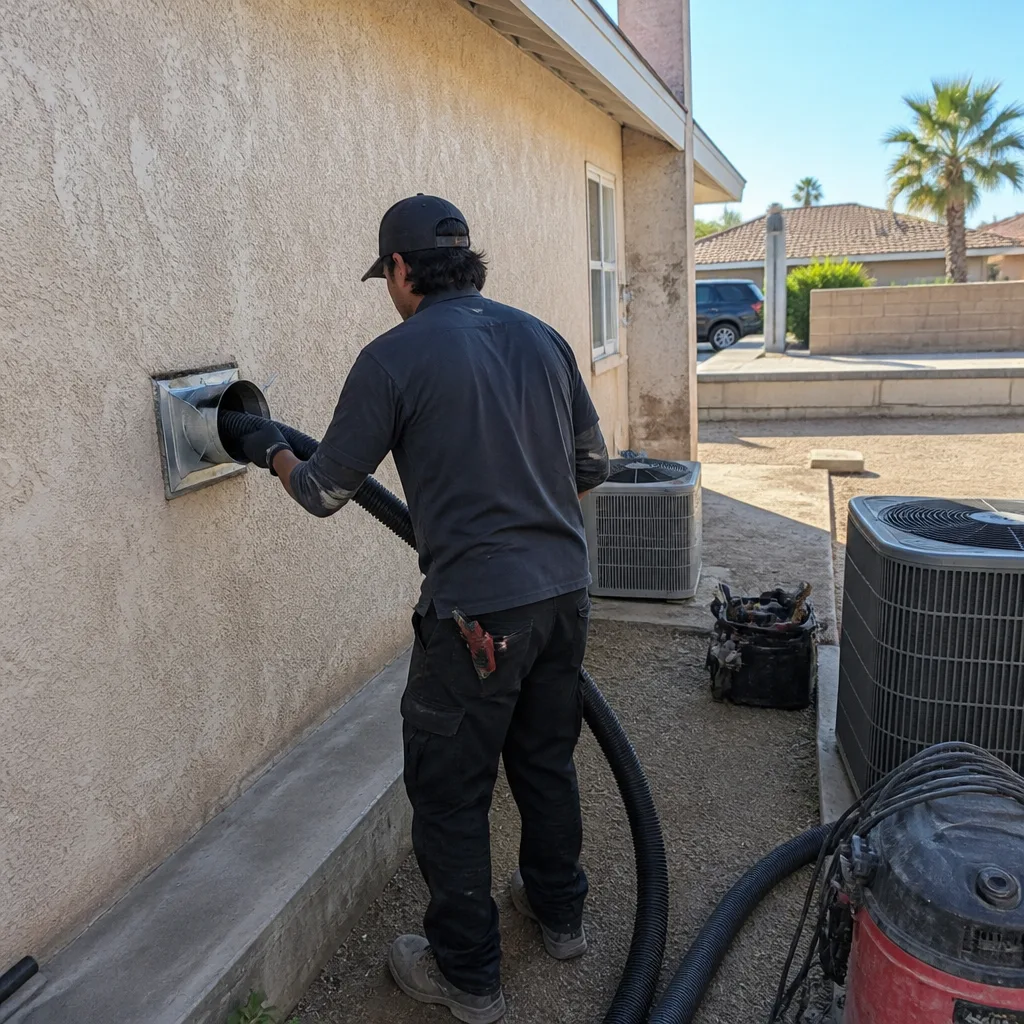
- Skipping the dryer vent because “the dryer still works.” A restricted dryer vent is a fire hazard that costs more in energy every month than the cleaning costs once. Dryer vent cleaning should be on the same seasonal schedule as duct cleaning, and every Hesperia homeowner should know what a restricted vent looks like: longer dry times, a burning smell, heat in the laundry room. This is a separate service from air duct cleaning, and it’s one of the highest-ROI safety measures available. Learn more about dryer vent cleaning in Hesperia.
- Treating air duct cleaning as a one-time event. Ducts refill with dust because Hesperia itself is dusty. A cleaning every 2 to 3 years is maintenance, not a repair. Homes that go a decade between cleanings often need deeper work, sometimes including replacement of duct sections that can’t be effectively cleaned.
- Assuming a home warranty covers duct problems. Most Hesperia home warranties exclude duct cleaning and often exclude duct repair beyond a basic limit. Check your policy, but plan to budget for duct care as a standard maintenance expense like gutter cleaning or pest control.
When to Call a Professional
Some duct issues are visible from the living room. Dust blowing from vents when the system starts, rooms that never reach the set temperature, a persistent musty or burning smell during operation, a visible dust layer on return grilles within days of cleaning. None of these are solved by a filter change. They indicate accumulated material in the duct system or structural damage to the ductwork itself.
Other issues are invisible without access. Disconnected branches in the attic, collapsed flex runs, cracked collars, pest intrusion. These require someone with the equipment to access, inspect, and repair the system. That’s not a general handyman task. It’s the work of a specialist who does air duct cleaning in Hesperia and repair in the same visit. Duct Cleaning Hesperia offers free estimates in Hesperia, call (877) 331-2951 to schedule a system assessment. Our team handles residential and light-commercial duct work using professional-grade Nikro and Rotobrush equipment, with repair and air quality upgrade options available.
Frequently Asked Questions
Every 2 to 3 years for most Hesperia homes, with the ideal timing being late winter or early spring before the first cooling cycle. Homes with pets, smokers, recent remodeling work, or respiratory conditions may need annual cleaning. The High Desert’s dust load means Hesperia homes typically need cleaning more frequently than coastal homes with the same occupancy.
Late February through March is the best window in Hesperia. The furnace has finished its major heating season, the AC hasn’t started yet, and attic temperatures are moderate, which makes the work safer and more effective. A fall cleaning before heating season is the second best option, especially after a bad Santa Ana wind season.
Cleaning removes accumulated pollen, dust mites, pet dander, and mold spores from the duct system, which can reduce the allergen load circulating through your home. It’s not a cure for allergies, but it removes one indoor source of particulate. For Hesperia allergy sufferers, the bigger variable is often wildfire smoke and desert pollen, both of which enter through the HVAC system. A clean duct system with proper filtration reduces how much of that material reaches your living spaces.
Visible dust blowing from vents indicates cleaning is overdue. Weak airflow in one or two specific rooms, cold spots, or a persistent burning smell during furnace operation often indicate duct damage like disconnections or collapsed sections. The two are found together frequently in Hesperia homes, and a professional inspection during cleaning will identify both. Ducts that are more than 20 years old with original flex runs usually need some level of repair, not just cleaning.
Replace your filter immediately, run the system fan continuously for 24 to 48 hours, and wipe down return grilles with a damp cloth. If the smoke odor persists in the house two weeks after the event, schedule a professional duct cleaning to remove particulate that has settled into the duct system. Smoke particulate embeds in the porous lining of older ducts and re-enters the air stream every time the system runs.
Whole-system air duct cleaning in Hesperia typically ranges from $300 to $600 for a standard single-family home, depending on the number of vents, accessibility of the duct system, and the level of contamination. Homes with significant smoke damage, pest intrusion, or long-deferred maintenance may cost more. The honest approach is one flat price per system agreed before work starts, not a per-vent quote that grows once the technician arrives. Call (877) 331-2951 for an exact quote, estimates are free.
You can replace filters, clean return grille covers, and vacuum accessible vent openings, but you cannot effectively clean the interior of a duct system without professional negative-air equipment. Consumer-grade tools simply don’t reach the full length of the duct runs. More importantly, the duct system includes areas you can’t safely access without proper equipment and training. For anything beyond surface-level cleaning, a trained professional with the right tools is the practical choice.
The Bottom Line
Hesperia’s climate doesn’t reward a generic approach to duct care. The High Desert’s dust load, extreme temperature swings, Santa Ana winds, and wildfire smoke seasons each create a distinct challenge that needs a different response. Cleaning in late winter before the AC season, inspecting after fall wind events, and treating smoke infiltration as an air-quality event rather than an odor problem, these are the moves that keep a Hesperia home’s air genuinely cleaner year-round. The good news is that it doesn’t require constant attention. A professional cleaning every 2 to 3 years, diligent filter changes at season transitions, and a willingness to address repair issues when they’re found covers the vast majority of homes. The equipment matters, the timing matters, and the difference between reacting to problems and staying ahead of them is the difference between a house that smells like an attic and a home with air you can actually breathe. Duct Cleaning Hesperia home page has more on our full service scope.
Written by the team at Duct Cleaning Hesperia, serving Hesperia since 2014.
See the difference
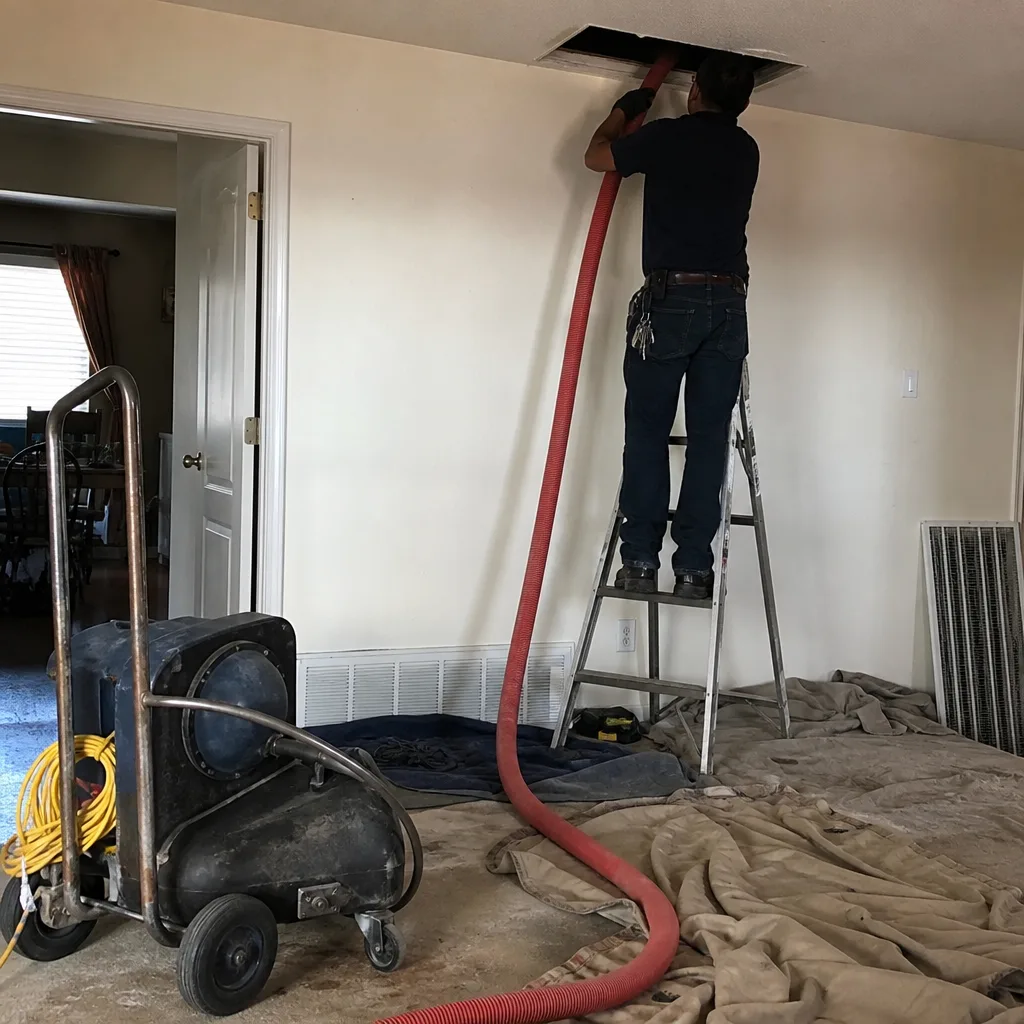 Before
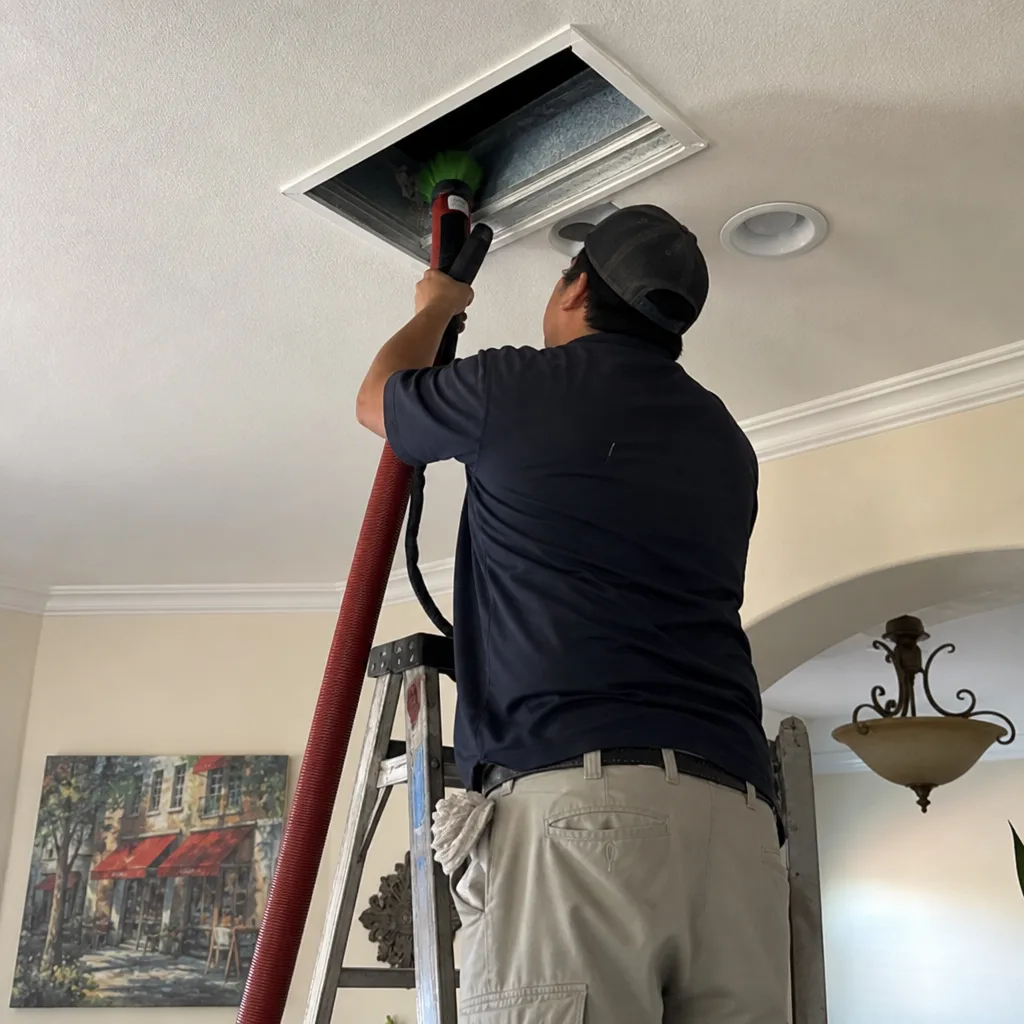 After
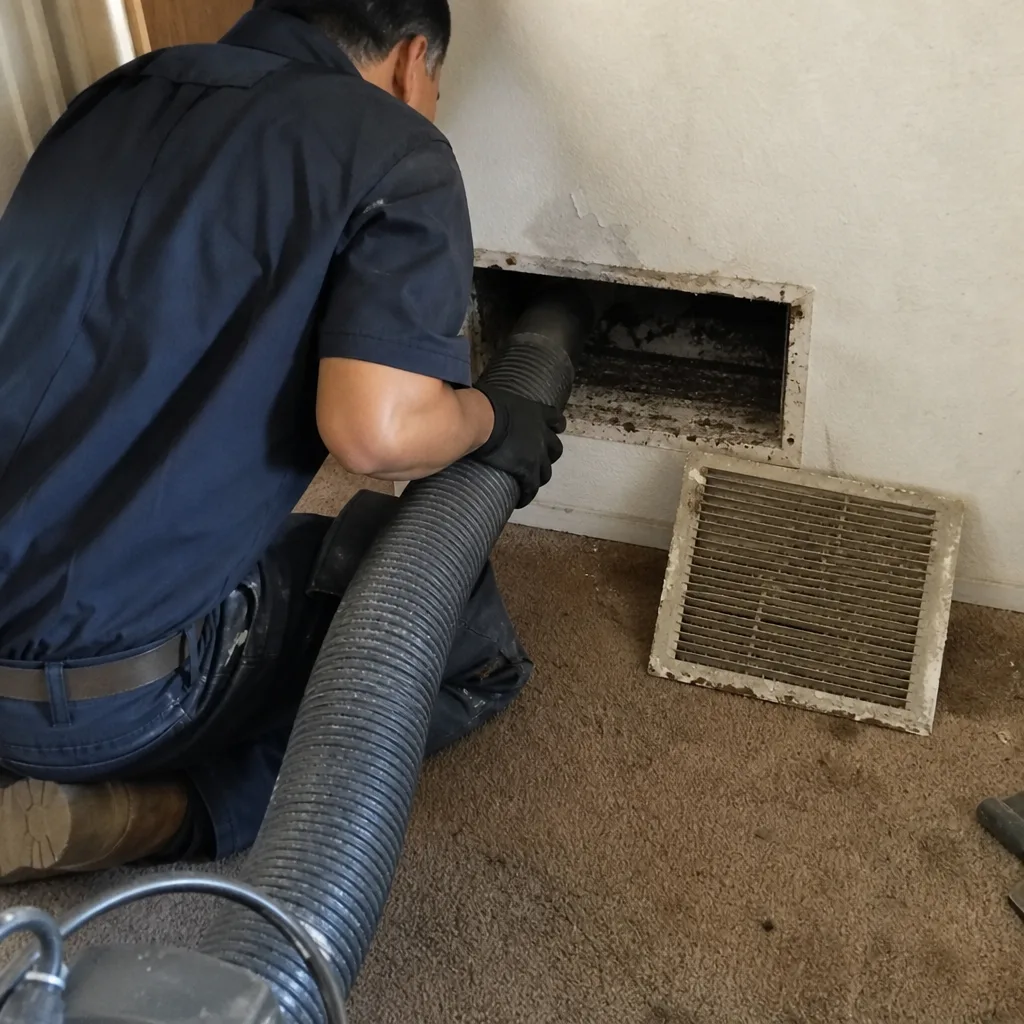 Before
 After
 Before
 After